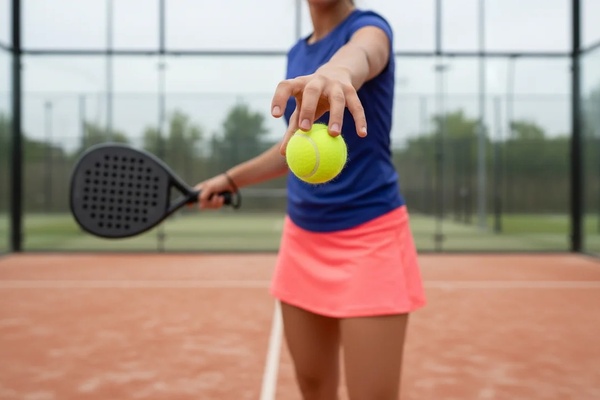
Most players never think about the ball until it goes dead mid-match. Then suddenly nothing bounces right, lobs don't reach the back, and the rebound off the glass feels wrong. The padel ball is more regulated than you might expect, with specific rules for size, weight, bounce, and pressure, and there are rules about when balls get replaced in official play. This guide explains padel ball rules in plain language: what makes a ball official, what the bounce and pressure numbers mean, how balls wear out, when they're changed in matches, and how to handle balls in friendly games. Always check the current FIP rulebook and your competition's own regulations, since they remain the final authority.
What Makes a Padel Ball Official?
In official competitions, only balls approved by the International Padel Federation (FIP) may be used. A padel ball is a rubber ball with a white or yellow outer surface, and the approved models appear on the FIP's official list. To be approved, a ball must meet technical specifications for size, weight, bounce, and internal pressure.
| Specification | FIP Requirement |
|---|---|
| Diameter | 6.35 to 6.77 cm |
| Weight | 56.0 to 59.4 g |
| Bounce | 135 to 145 cm when dropped onto a hard surface from 2.54 m |
| Internal pressure | 4.6 to 5.2 kg per 2.54 cm² |
| Surface | Rubber ball with a white or yellow outer surface |
Note
The standard padel ball may be pressurized or pressureless, as long as it meets the approved specifications. Most players use pressurized balls, which are what you'll find in standard cans.

The Bounce Rule
Bounce is the most important number for how the game plays. A new ball dropped from 2.54 meters onto a hard surface should rebound between 135 and 145 centimeters. That consistent bounce is what makes the wall game predictable: the ball has enough life to come off the glass at a playable height, but not so much that rallies become wild.
At high altitude, balls bounce differently, so the rules allow another type of ball that's identical except for a lower rebound range, roughly 122 to 135 centimeters. The altitude at which that applies depends on the edition of the rules, so check the current rulebook if you play somewhere high.
The Pressure Rule
A padel ball's internal pressure must be between 4.6 and 5.2 kilograms per 2.54 square centimeters. That's lower than a tennis ball, which is why padel balls play slower and lower. According to the LTA, a brand-new tennis ball sits at about 14 psi, compared with about 11 psi for a new padel ball. The diameters also differ slightly: a padel ball measures 6.35 to 6.77 centimeters, against 6.54 to 6.86 for tennis, while the weight range is the same.
Put it to the test with our free padel quiz — quick questions, instant results.
How Balls Lose Their Bounce
Pressurized balls start losing pressure the moment the can is opened, and playing speeds that up. Retailers' estimates vary, from a few matches to a couple of weeks of regular use before a ball drops below the official bounce range. Storing balls in a pressurizer or their original tube between sessions can extend their life. Pressureless balls last much longer because their bounce comes from the rubber itself, although they feel different from a fresh pressurized ball.
When Balls Are Changed in Official Play
Under Rule 17 of the FIP rules, the organizers announce the ball brand and type, whether two or three balls are used, and the ball change policy. Scheduled changes follow an odd-numbered game system: the change happens after a set odd number of games, with the warm-up counting as two games and a tie-break counting as one. A ball change is not made at the start of a tie-break. If a ball is lost or damaged during a match, it's replaced with a ball of the appropriate type and wear.
Important
The exact change policy depends on the tournament. Always read the competition regulations before a match so you know when new balls will come in and how many balls are used.

Ball Rules in Friendly Padel
In casual games, nobody tests the bounce with a tape measure. A few practical habits are enough:
- Agree who brings balls. Decide in advance, and split the cost.
- Use a fresh can for important matches. Tournaments, leagues, and competitive games deserve good balls.
- Check the bounce by feel. If balls feel dead, don't reach the back wall, or the game is losing its rhythm, replace them.
- Keep spare balls. Bring a second can in your padel bag for longer sessions or tournaments.
- Use a pressurizer. It helps preserve pressure between sessions.
Signs a Ball Is Dead
A worn ball bounces lower, feels heavier off the racket, and makes it harder to hit lobs and deep shots with the usual effort. If rallies suddenly feel strangely slow or you're working much harder to reach the back glass, the ball is the likely cause, not your technique.
Don't Use Tennis Balls
Padel balls and tennis balls look similar, but they aren't the same. Tennis balls are slightly bigger and have higher pressure, so they play differently on a padel court and can put more strain on the racket. Use balls made for padel, and check the can for FIP approval if you're playing in an official event.
Official vs Recreational: What Changes
| Topic | Official Competition | Friendly Play |
|---|---|---|
| Ball type | FIP-approved model announced by organizers | Any padel ball in good condition |
| Bounce | Must meet the 135 to 145 cm specification when new | Judged by feel |
| Ball changes | Set by tournament policy and the odd-game system | When balls feel dead or by agreement |
| Lost or damaged balls | Replaced with a ball of suitable type and wear | Replaced with a spare |
Choosing and Reading the Can
When you buy balls, look for the FIP approval mark on the can if you want to be sure they meet the specification. Different approved models feel slightly different, some a little livelier and some more controlled, so it's worth trying a couple and noting which one suits your game. If you're entering a tournament, practice with the same model the organizers announce, so you know how it behaves.
Storing Balls Between Sessions
Store balls in their original tube or a pressurizer, close the lid properly, and keep them out of heat and direct sun. Rotate your balls so they wear evenly, and don't leave a half-used can open in your bag. A little care keeps your balls lively for longer, and our guide to looking after your padel gear has more storage tips.
Free tournament generator — Americano, Mexicano and more. Set it up in minutes.
Common Mistakes
Playing Too Long With Dead Balls
It changes how every shot feels and can build bad habits. Replace balls when they go flat.
Leaving Balls in a Hot Car
Heat speeds up wear. Keep balls somewhere at a stable temperature.
Mixing Old and New Balls
Balls with different wear bounce differently. Keep a set together.
Assuming All Padel Balls Are the Same
Different models differ slightly in feel and durability. Try a few and stick with the one you like.
Advice
Keep your best balls for matches and use older ones for drills. A simple rule, new can for games and used can for practice, makes your equipment last and keeps your matches consistent.

Padel ball rules come down to a few numbers and a few habits. Official balls are FIP-approved, about 6.35 to 6.77 centimeters across, 56.0 to 59.4 grams, and bounce 135 to 145 centimeters from 2.54 meters, with lower pressure than tennis balls. Look after your balls, replace them when they go dead, and read the competition rules on changes, and the ball will stop being something you notice only when it's wrong.