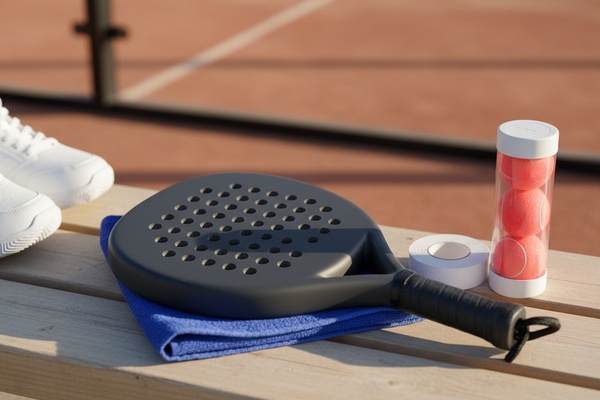
Padel gear is built to take a beating, but it still wears out faster than it needs to when it's treated carelessly. A few small habits between matches, wiping down your racket, drying your shoes, storing your balls properly, protect both your equipment and your performance. This guide covers how to look after your racket, balls, shoes, clothing, and bag so everything is in good condition for the next game.
Why Gear Care Matters
Equipment affects how the game feels. A worn grip makes the racket slip, flat balls bounce badly, and shoes clogged with dirt lose traction. Good care also saves money, since a racket in particular is a significant purchase and many of the things that shorten its life are easy to avoid.
Caring for Your Racket
Protect the Frame
The frame is the most vulnerable part of a padel racket, since it often scrapes against the glass, the mesh, or the floor. A frame protector, usually a tape applied tightly over the edge without air bubbles, shields it from knocks and scratches. It costs very little compared with the damage it can prevent, and it's worth checking and replacing as it wears.
Avoid Hitting Hard Surfaces
Repeated impacts against the ground, the glass, the cage, or a partner's racket weaken the frame and the core over time. Avoid tapping the frame on the floor out of habit or frustration, and don't scoop balls off the ground with the face of the racket, which can create cracks.
Keep It Away From Extreme Temperatures
Both heat and cold can weaken the foam core and the fibers. Avoid leaving your racket in a hot car, in the boot overnight in cold weather, or next to a radiator. Sudden temperature changes, such as moving a racket from a cold car into a warm room, can also put stress on the materials.
Wipe It Down and Store It Properly
Free tournament generator — Americano, Mexicano and more. Set it up in minutes.
After playing, clean the racket with a dry, soft cloth and avoid harsh chemicals. Store it in a padded racket bag, ideally one with some thermal protection, rather than loose in a car or tossed in with keys and shoes that can scratch it.
Don't Play in Wet Conditions
Damp or rainy conditions make balls heavier and can contribute to small cracks forming in the racket, so it's best avoided if you can.
Note
Racket lifespans vary a lot depending on how often you play and how hard you hit. Some retailers suggest a recreational player who plays two or three times a week may get around a year, but treat any figure as a rough guide rather than a rule.

Grips and Overgrips
The grip is the part of your racket that wears out fastest, and replacing the overgrip regularly keeps your hold firm and dry. A worn, slippery grip lets the racket slip in your hand and can put extra strain on the wrist and forearm. Check it often, and replace it as soon as it loses its tack.
Looking After Your Balls
Padel balls lose pressure and bounce over time, and heat, humidity, and sun speed that up. Avoid leaving balls in the car or near heat sources. A pressurizer tube can help preserve internal pressure and extend their lifespan, and it also makes transport easier. When balls feel flat or dead, replace them rather than playing with them, since poor balls change how the game feels and can lead to bad habits.
Important
Use padel balls, not tennis balls. Tennis balls are slightly bigger and heavier, which can increase the strain on a padel racket and make it more likely to break.

Looking After Your Shoes
Padel shoes work hard on a gritty surface. After each session, clean the sole and remove any dirt or synthetic grass fibers stuck in it, since a clogged sole reduces grip and increases wear. Let them dry properly, especially after playing on a damp court, and avoid putting them in the washing machine, which can damage the materials. Rotate between pairs if you play often.
Looking After Your Clothing
Technical sportswear lasts longer with gentle care. Wash it in cold water and avoid fabric softeners, which can damage the technical fibers. Don't leave damp clothing in a bag, since it can develop odors and mold, and try to hang kit to dry as soon as you get home.
Your Bag and How You Pack It
A good padel bag protects your racket from knocks and extreme temperatures and keeps everything organized. Where possible, separate your racket, shoes, and clothing, so damp or dirty items don't contaminate the rest. Air the bag out regularly rather than leaving it zipped up in the boot of the car.
| Item | After Each Match | Every Few Weeks |
|---|---|---|
| Racket | Wipe clean, store in a bag | Check the frame protector and grip |
| Balls | Return to a pressurizer tube | Replace when flat or dead |
| Shoes | Clean the sole, dry them | Check grip and wear |
| Clothing | Hang to dry, don't leave in the bag | Wash cold, no softener |
| Bag | Air it out | Clean and separate wet items |
Signs Your Racket Is Wearing Out
Even with good care, rackets age. The foam core gradually loses its elasticity and compresses, so the racket can start to feel less lively, and the sound at contact may become duller or deeper. Visible cracks in the frame or face are another clear warning sign. Replacing a worn racket in good time protects your performance and avoids playing with equipment that no longer behaves the way it should.
Small Extras Worth Carrying
A spare overgrip, a roll of frame protector tape, a microfiber cloth, and a small towel take up almost no space and solve the most common problems on the spot. Keeping them in your bag means a slippery grip or a peeling protector never has to cut a session short.
A Quick Season Check
At the start of each season, or whenever you've had a break, check your racket, shoes, and accessories. Look for cracks in the frame, a dull or deeper sound when you hit, worn outsoles, and grips that have lost their tack. Catching wear early prevents poor performance and, in the case of shoes, reduces the risk of slipping.
Common Mistakes
Leaving Gear in the Car
Heat and cold damage rackets, balls, and shoes. Take your gear with you.
Using Harsh Cleaners
Strong chemicals can damage the racket surface, the grip, and shoe materials. Stick to a dry, soft cloth.
Ignoring the Grip
A worn overgrip is one of the easiest problems to fix and one of the most commonly ignored.
Playing With Dead Balls
Flat balls change how every shot feels and encourage bad habits. Replace them when they lose pressure.
Advice
Make a two-minute routine after every match: wipe the racket, return the balls to the tube, clean the shoe soles, and hang your kit up. Small habits like this add up to gear that lasts noticeably longer.

Looking after your padel gear comes down to protecting it from heat, cold, moisture, and impacts, and keeping the parts that wear fastest, the grip, the balls, and the shoe soles, fresh. A little care between matches keeps your equipment performing and saves you from replacing it sooner than you need to.