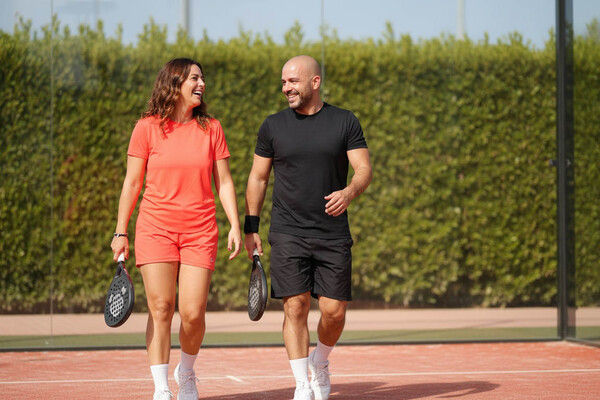
Want a friend to try padel without feeling pushed?
Padel is easy to love and surprisingly easy to start, but that doesn't mean everyone you invite will say yes right away. Plenty of people hesitate for reasons that have little to do with the sport: they worry about looking clumsy, they don't own a racket, or they simply don't want to feel like they're being talked into something. The way you invite someone matters as much as the invitation itself. This guide covers how to ask in a way that feels light, easy, and genuinely optional.

Why People Hesitate
Understanding the hesitation makes it much easier to address. Common worries include looking foolish in front of friends, not being fit enough, not knowing the rules, not owning equipment, and being unsure whether the cost or the time commitment is worth it. Most of these fears are about the first experience, not about padel itself, which means a well-planned first session can solve almost all of them at once.
Note
Most people aren't saying no to padel, they're saying no to the unknown. Your job is to make the unknown feel small, friendly, and low-stakes.

Make the Offer Easy to Accept
Remove as many small obstacles as you can before they have to ask. Tell them you'll bring a spare racket and balls, since many clubs and coaches lend equipment for beginner sessions. Say they only need comfortable clothes and trainers with good grip. Suggest a short session of about an hour, and make clear that no one needs to know the rules in advance. The fewer decisions they have to make, the easier it is to say yes.
Choose a Low-Pressure Format
The format you suggest sets the tone for the whole experience. A short, coached beginner session removes the fear of not knowing what to do, because someone else is guiding the hour. A relaxed hit with a couple of friends, where the only goal is to rally, removes the pressure of competition. A social mixer or a casual game with people at a similar level avoids the awkwardness of playing against someone far more experienced. Avoid inviting a total beginner into a competitive match or a tournament.
How to Word the Invitation
Free tournament generator — Americano, Mexicano and more. Set it up in minutes.
Phrasing can make the same invitation feel inviting or heavy. Keep it casual, specific, and easy to decline.
| Instead of | Try |
|---|---|
| "You have to try padel, you'll love it." | "I'm going for a casual hit on Saturday. Want to come along? No pressure at all." |
| "We need a fourth, you're coming." | "We're one short for a relaxed game. Happy to lend you a racket if you'd like to give it a go." |
| "It's easy, anyone can do it." | "Most people find it fun from the first rally, and we'll go easy." |
| "Don't worry about your fitness." | "It's a short session with plenty of breaks." |
Give Them a Genuine Way Out
A real invitation includes room to say no without awkwardness. Tell them it's completely fine if they'd rather skip it, and mean it. People are far more likely to say yes when they don't feel trapped, and far less likely to resent the experience if they join. If they decline, accept it graciously and leave the door open for another time without pushing.
Match the Level and the Mood
The first session should feel good, not competitive. Play at a pace where long rallies are possible, keep score loosely or not at all, and avoid hitting hard at a beginner. If you're significantly better, use the session to practice control rather than power. A beginner who has a long, fun rally in their first hour is far more likely to come back than one who spent the time chasing balls they couldn't return.
Important
Don't turn their first session into a lesson unless they ask for one. Too much correction can make a new player feel judged. Let them enjoy hitting the ball first.

What to Say on the Court
Keep explanations short and friendly. Explain the basic scoring in a sentence or two, mention that the walls are part of the game and surprising at first, and remind them that nobody expects them to be good. Encourage good shots out loud, laugh at your own mistakes, and keep the mood light. A relaxed atmosphere does more to make someone want to return than any tip about technique.
Invite Different People Differently
A close friend might respond to a joking, informal invite, while a colleague might prefer something that sounds structured and low-commitment, like a short group session after work. A partner or family member may want to know how long it will take and whether they'll be playing with others. Older relatives may appreciate hearing that padel is played on a smaller court than tennis and that the pace can be as relaxed as they like. Tailor the invitation to what each person is likely to worry about.
When Fitness or Injuries Are the Worry
If someone says they're not fit enough or have a niggling injury, take it seriously rather than brushing it off. Suggest a gentler start, with a shorter session, plenty of breaks, and a relaxed pace, and encourage them to listen to their body and stop whenever they want. If they have a medical concern, it's reasonable to suggest they check with a doctor first. Padel can be played at a very comfortable intensity, but nobody should feel pushed beyond what suits them.
Inviting a Group of Newcomers
If you're bringing several beginners at once, a coached group session is often the best choice, since a coach can keep everyone involved and take the teaching pressure off you. Keep groups to four per court, so everyone is playing rather than waiting. Having a few experienced friends join as helpers, rather than as opponents, keeps the atmosphere supportive and prevents anyone from feeling like they're being tested.
Follow Up Without Pushing
Afterward, send a simple thank-you message and say you enjoyed it. If they had a good time, mention a possible next session and let them suggest the timing. If they seemed lukewarm, don't press. Some people need a second try or a different format, like a coached session, before padel clicks. Others simply aren't interested, and that's fine too.
Advice
End the first session on a high note, with a good rally or a point that goes well, and keep it short. Leaving them wanting a little more is better than playing until they're tired and discouraged.

Common Mistakes When Inviting Someone
Overselling It
Promising they'll love it creates pressure to enjoy it. Let them form their own opinion.
Inviting Them Into a Competitive Game
A serious match raises the stakes and makes mistakes feel costly. Keep the first session relaxed.
Forgetting the Equipment
If they have to buy or borrow gear on their own, many will decline. Offer to provide it.
Pushing After a No
Repeated asking turns an invitation into pressure. Respect their answer.
Inviting someone to play padel without pressure comes down to a few simple habits: make it easy, keep it casual, offer a real way out, and focus the first session on fun. Do that, and the people who are curious will say yes happily, and the people who aren't will still appreciate being asked kindly.