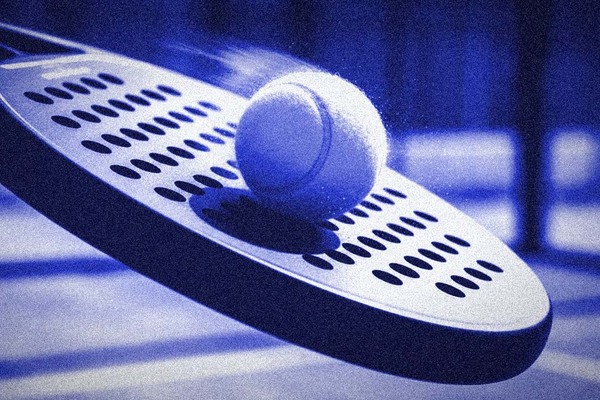
Struggling with the soft shots that need a lighter hand?
Touch is the quiet skill behind padel's most delicate shots. It's your feel for the ball: how well you can slow it down, place it, and control its speed and spin when power would be the wrong answer. A good chiquita, a clean drop shot, and a soft block volley all depend on it. Some players seem to have natural touch, but it's a skill that improves with the right habits and drills. This guide explains what touch means in padel, which shots rely on it, and how to train it.

What "Touch" Means in Padel
Touch is the ability to control a ball's speed, spin, and trajectory with small, deliberate movements. Where a power shot relies on a big swing, a touch shot relies on soft hands, timing, and judgment. It's less about hitting the ball and more about managing the energy it already has, taking pace off an incoming ball and sending it back exactly where you want it.
Note
Touch drills in padel are often adapted from general racket-sport coaching, since the underlying skill, soft hands and ball control, is shared. The padel-specific part is knowing which shots to use it on.

Which Padel Shots Rely on Touch
The Chiquita
A soft, slow shot that just clears the net and drops low toward your opponents' feet. It's hard to get right because it needs excellent touch and feel. Without it, you can end up scooping the ball or hitting a weak shot that's easy to attack.
The Drop Shot
A delicate shot that lands just over the net, ideally before opponents can reach it ahead of the second bounce. Many players add slice or backspin, which helps slow the ball down.
Soft Volleys and Blocks
When a hard ball comes at you, a soft, controlled block absorbs the pace instead of adding to it, keeping the ball low and in play.
Short Balls and Placement Shots
Anytime you need to place a ball precisely rather than hit it hard, touch matters, whether you're playing around a net player or setting up your own next shot.
Principles of Better Touch
Relax Your Grip
Put it to the test with our free padel quiz — quick questions, instant results.
A tight grip transmits shock and reduces feel. A looser, relaxed hold, firm enough to control the racket but not clenched, helps you cushion the ball and sense what it's doing. Many players naturally squeeze harder under pressure, which is exactly when touch disappears.
Shorten the Swing
Short backswings create touch. The less racket you take back, the more control you have over speed and direction. Touch shots are about small, precise movements rather than big, flowing swings.
Absorb the Pace
Instead of driving through the ball, meet it with a stable racket face and let it lose energy on contact. Think of cushioning a ball, as if you were catching it with your racket.
Use Spin to Slow the Ball
Slice or backspin reduces a ball's speed and can make it sit down after it bounces, which is useful on drop shots and soft returns.
Prioritize Clean Contact
Touch is much harder if you're not making consistent contact in the middle of the racket. Work on timing and balance first, so that your soft shots are structurally sound.
Important
Don't try to develop touch by hitting softly with a tense body. Soft shots still need balance, preparation, and good footwork. Touch comes from controlled ease, not from simply swinging slower.

Touch Drills
Ball-on-Racket Control
Balance a ball on the racket face and walk or bounce it gently without letting it fall. Try rotating it around the edge of the frame. These simple exercises build feel for the racket face and the ball.
Gentle Strokes With Soft Balls
Practice rallying gently with a lighter ball to get used to controlled contact and the feeling of a relaxed grip. It's a low-pressure way to build the habit of soft hands.
Cooperative Soft Volleys
Stand at the net with a partner and exchange soft volleys, trying to keep the ball low and slow. Count how many consecutive soft volleys you can manage. The goal is control, not pace.
Drop Shots to Targets
Place a target zone just over the net and practice dropping the ball into it from a short distance. Start with fed balls and build up to rallies.
Chiquita to the Feet
Have a partner stand at the net and try to volley what you hit. If they can easily put the ball away, your chiquita is too high or too fast. Aim for the ball to dip toward their feet.
Short-Court Games
Play mini-games in a reduced area, such as inside the service boxes, where power is useless and touch decides points. They train soft hands and placement under light pressure.
| Drill | What It Builds |
|---|---|
| Ball-on-racket control | Feel for the racket face |
| Soft-ball strokes | Relaxed grip, gentle contact |
| Cooperative soft volleys | Control and pace absorption |
| Drop shots to targets | Precision and spin control |
| Chiquita to the feet | Low trajectory and placement |
| Short-court games | Touch under light pressure |
Racket Feel Matters Too
Rackets differ in feel. Softer, more forgiving rackets tend to make touch shots easier and mishits less punishing, which can help players building consistency, while firmer rackets give more direct feedback but are less forgiving on off-center hits. You don't necessarily need to change your racket to improve touch, but if soft shots always feel harsh or unpredictable, it's worth trying a few different models before deciding.
Practicing Touch Under Pressure
Once the basics feel comfortable, mix soft and hard shots in the same drill. The skill that wins points isn't touch alone, it's the ability to change speed without telegraphing it. Alternating between a chiquita and a drive, or a drop shot and a lob, keeps opponents guessing and trains you to switch between touch and power instantly.
Using Touch Tactically
Touch is most valuable when it serves a plan. A chiquita works best against opponents who are comfortable at the net, since it takes away their pace and forces them to lift the ball. A drop shot is most effective when opponents are standing deep or have been pushed back by a lob. Choosing the moment, rather than hitting a soft shot because it's available, is what turns a nice feel for the ball into points won.
Tracking Your Progress
Touch is easy to feel but hard to measure, so give yourself simple numbers. Count how many consecutive soft volleys you can hold, or how many of ten drop shots land inside a target zone near the net. A small improvement from week to week is a better sign of progress than a single great shot, and it keeps you motivated through the early stage when touch feels unreliable.
Common Mistakes
Gripping Too Tightly
A clenched grip kills feel. Keep it relaxed until the moment of contact.
Swinging Too Big
Big backswings add pace and reduce control. Keep touch shots compact.
Hitting Too High
A soft shot that clears the net by a large margin is easy to attack. Aim just over the tape.
Abandoning It After a Few Misses
Touch feels unreliable at first. Judge it over weeks, not a single session.
Advice
Spend five minutes at the start of each session on soft, low-pressure exercises before power work. Touch builds fastest when your hands are loose and warm, not after a hard session.

Better touch in padel comes from a relaxed grip, a short swing, the habit of cushioning the ball, and regular, deliberate practice of soft shots. It rewards patience, and the payoff is a game that no longer depends on power alone.