Losing points before a rally ever gets going?
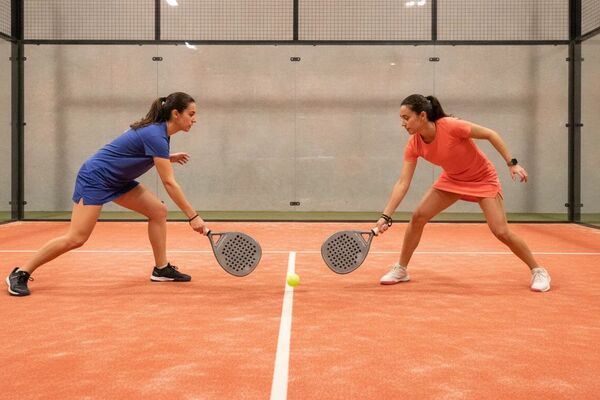
Building a padel rally as a beginner means learning to keep the ball in play consistently, rather than trying to win every point outright. Long rallies teach timing, positioning, and shot selection far more effectively than short points that end in an unforced error after one or two shots. This guide covers the habits and mindset that help beginners extend rallies and actually start enjoying the back-and-forth that makes padel fun to play.

What "Building a Rally" Actually Means
A rally is simply the sequence of shots played before a point ends, and for beginners, the goal should be extending that sequence rather than ending it quickly with a risky winner. A five-shot rally where the ball stays in play teaches you far more about timing and court sense than a single ambitious shot that either wins the point immediately or, more often at the beginner stage, sails long or into the net.
Prioritize Consistency Over Power
The single biggest shift for beginners trying to build longer rallies is choosing a controlled, moderate swing over a hard, low-margin one. A shot hit at seventy percent effort that clears the net comfortably and lands inside the court keeps the rally alive, while a shot swung at full power with poor technique usually ends it. Save the harder swings for once your consistency feels solid and genuine attacking opportunities appear.
Note
Rallying isn't about playing passively forever. It's a stage of development, building the timing and control that makes faster, more aggressive shots reliable later on.

Aim for the Middle of the Court, Not the Lines
Beginners often try to hit close to the sidelines or baseline right away, chasing the kind of precise placement they see in professional matches. That approach carries a much higher error rate than simply aiming toward the middle of the court, well clear of the lines, until your consistency improves. A shot that lands safely in the middle keeps the rally going; a shot aimed at the corner that misses by even a small margin ends it immediately.
Put it to the test with our free padel quiz — quick questions, instant results.
Using the Walls to Your Advantage
New players sometimes treat the back and side walls as something to avoid, when they're actually one of padel's biggest advantages for extending a rally. A ball that would sail out of bounds on an open court often stays in play in padel, since it can bounce off the back glass and still be returned. Learning to let a ball come off the wall calmly, rather than panicking and rushing the shot, gives you extra chances to keep the point alive that simply don't exist in other racket sports.
Important
Don't rush a ball just because it's heading toward the wall. Padel's walls are part of the court, not an obstacle, and give you more time to react than the same shot would in an open-court sport.

Positioning: Give Yourself Time to Recover
After every shot, return to a balanced, central position rather than standing still to watch where the ball went. Rallies fall apart quickly when a player is caught flat-footed by the next shot, simply because they never reset after their own. This habit matters more than any single technical improvement for beginners specifically trying to extend how long a point lasts.
Communicating with Your Partner During a Rally
Since padel is played in doubles, a rally often ends not because of bad technique but because of confusion between partners about who should take a ball down the middle. A simple habit, calling "mine" or "yours" as soon as you see where the ball is heading, prevents the awkward hesitation or collision that cuts a rally short before either player even gets a clean swing.
| Rally-Ending Habit | Rally-Building Habit |
|---|---|
| Swinging at full power | Controlled, moderate swing with good technique |
| Aiming at the lines | Aiming toward the middle of the court |
| Rushing balls off the wall | Letting the wall bounce happen calmly |
| Standing still after your shot | Recovering to a balanced position immediately |
| Staying silent with your partner | Calling "mine" or "yours" early |
Reading Your Opponent's Shot Before It Arrives
Watching your opponent's racket preparation, not just the ball itself, gives you a small but valuable head start on every shot. Beginners who focus entirely on the ball tend to react a fraction of a second late, which forces a rushed swing that's far more likely to end the rally. Training your eyes to pick up on the setup, the angle of the shoulders, the height of the swing, before the ball is even hit pays off directly in how many shots you can comfortably keep a rally alive.
Building Confidence Through Longer Rallies
There's a psychological benefit to rally-building that goes beyond pure technique. Beginners who experience a genuinely long rally, ten, fifteen, twenty shots, often describe it as the moment padel started to click for them, since it's the first real taste of the sport's back-and-forth rhythm rather than a string of short, frustrating points. That confidence boost tends to reinforce the patient habits described here, since a player who has felt what a good rally is like has a clear reason to keep prioritizing consistency over quick winners.
Common Habits That End Rallies Too Early
Trying to Hit a Winner on Every Ball
Not every shot needs to end the point. Treating each ball as a chance to win outright, rather than a chance to keep building the rally, is one of the most common reasons beginner points end after just one or two shots.
Tensing Up Under Pressure
A tight grip and a rushed swing when the ball comes back quickly usually produces a worse shot than staying relaxed and trusting your normal technique. Nerves shorten rallies more often than a genuine lack of skill does.
Ignoring Footwork to Save Time
Reaching for a ball with just your arm, rather than taking the extra step to get properly behind it, leads to mishits that end points early. A rushed step is still faster, and far more effective, than no step at all.
Overcorrecting After a Mistake
After hitting one shot out or into the net, some beginners swing the opposite way, either far too cautiously or far too aggressively, on the next ball. Staying with the same controlled, moderate swing regardless of how the last shot went keeps your rallies more consistent than reacting emotionally to a single mistake.
Advice
Set a simple goal for a practice session: see how many shots you and a partner can keep a single rally going, without worrying about who "wins" the point. It shifts the focus toward consistency in a way that's easy to track and improve.

Drills to Practice Sustaining a Rally
Play cooperative rallies with a partner where the goal is simply to keep count of consecutive shots without either side trying to win the point, gradually increasing the target number as you both improve. Once that feels comfortable, add a small competitive element, like awarding a point only after ten or more shots in a rally, to encourage patience over rushing for an early winner.
Building a padel rally as a beginner comes down to patience: controlled swings over powerful ones, safe targets over risky ones, and calm recovery after every shot rather than a scramble for the next one. Those habits feel unglamorous compared to a big smash, but they're what actually turns short, frustrating points into the long, competitive rallies that make padel worth playing.
Give these habits a few sessions before judging how well they're working. Rally length tends to improve gradually rather than all at once, and a noticeably longer average rally after a month of practice is a better sign of progress than any single standout point.