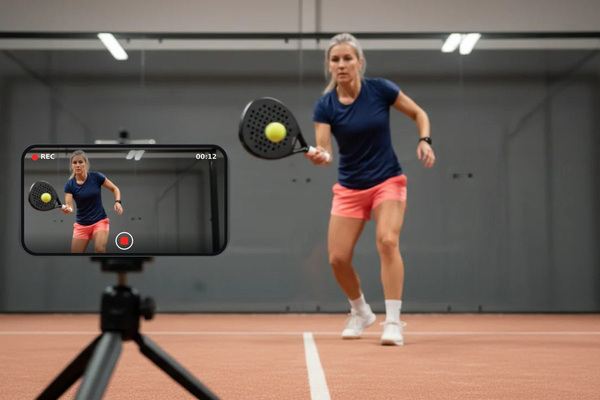
Progress in padel can feel invisible. You play every week, enjoy the games, and sense that you're getting better, but when someone asks how you know, it's hard to point to anything concrete. Tracking your progress turns that vague feeling into evidence. It shows you what's improving, what's stuck, and where to spend your next practice session. The good news is that it doesn't need spreadsheets or special equipment. This guide covers what to track, how to use ratings and video, and how to build a simple routine you'll actually keep.
Why Track Your Progress?
Tracking keeps practice focused, shows you when a plateau is real, and keeps you motivated through the slow stretches. It also helps you decide what to work on. Without any record, players tend to practice what they enjoy rather than what holds them back, and they often underestimate how much they've improved because change happens gradually.
Note
The aim of tracking is to learn, not to judge yourself. A bad week of numbers is information about what to adjust, not a verdict on your ability.

What to Track: Four Categories
1. Results and Level
Match outcomes and your rating give you the big picture over months, though they're noisy week to week because they depend on who you played and how they played.
2. Skills
Simple drill scores, such as how many of ten serves land in the box, tell you whether a specific shot is improving, independent of match results.
3. Habits
How often you play, whether you warm up, and whether you practice anything between matches are the inputs that drive progress, and they're fully in your control.
4. Notes and Feel
A short written note after a session, what felt good, what went wrong, what you want to try next, captures things numbers can't, like confidence under pressure.
Put it to the test with our free padel quiz — quick questions, instant results.
Use Your Rating Wisely
Many players use the level rating in a booking app. In Playtomic, for example, you set your starting level with an initial questionnaire, and the app shows a reliability percentage that indicates how stable your level is; the lower it is, the more your level moves after each match. Only competitive matches affect your level, and a progression graph shows how it has changed over time. Other platforms work differently, so treat any rating as one useful signal rather than a precise measure of skill.
Track Skills With Simple Drill Scores
Drill scores are the cleanest way to see improvement, because you control the conditions. Pick a few key skills, record a score each week, and watch the trend.
| Skill | What to Measure |
|---|---|
| Serve | How many of ten serves land in the correct box |
| Volley | Consecutive volleys in a cooperative rally |
| Lob | How many of ten land deep, beyond the service line |
| Wall play | How many of ten wall balls you return deep under control |
| Bandeja | How many of ten land deep and keep you at the net |
Use Video to See What You Can't Feel
Filming yourself is one of the most revealing tools you have. Record a few rallies from behind or from the side, and watch for habits that are hard to notice in the moment: a low racket, late preparation, poor recovery. Compare clips every month or two to see real change. Some apps offer automated video analysis, which can be a useful extra, though they're best treated as a supplement to a coach rather than a replacement for one.
Keep a Simple Training Log
A log doesn't need to be elaborate. A notes app or a small notebook is enough. Record the date, what you practiced, one or two drill scores, how the session felt, and one thing to work on next time. After a few weeks you'll have a clear picture of what you've been doing and what's changed.
Match Stats That Actually Matter
If you want to track matches, choose a few meaningful measures instead of everything. Useful ones include how many unforced errors you make, how often your first serve goes in, how many transitions to the net you complete with your partner, and how many points you win at the net. Some score-tracking apps record match archives and basic statistics automatically, which saves effort.
Important
Don't track too many things at once. Two or three measures you actually record are worth far more than ten you abandon after a week.

Set Clear, Small Goals
Turn a vague goal like "get better at volleys" into something measurable, such as "hit 8 of 10 volleys beyond the service line in four weeks." Specific, short-term goals make progress visible and give each practice session a purpose. When you hit a goal, set the next one slightly higher.
Review Monthly
Once a month, look back at your notes, scores, and video. Ask what improved, what didn't, and what you'll focus on next. This review is where tracking turns into action. Adjust your practice to target the weakest area and be willing to drop goals that no longer fit.
Expect Plateaus and Fluctuations
Progress is rarely a straight line. Ratings move up and down depending on opponents, scores plateau, and some weeks feel worse for no obvious reason. Look at trends over weeks and months rather than individual sessions, and remember that a flat stretch often comes before a jump as new habits settle in.
A Sample Weekly Tracking Routine
Keep it light. After each session, spend two minutes writing the date, what you worked on, one drill score, and one note. Once a week, film a short clip of a rally or a specific shot. Once a month, review your notes and compare your clips. That's around ten minutes of effort a week, and it's enough to give you a genuine record of your development.
Tracking at Different Levels
What you track should match where you are. Beginners get the most from habits and basic drill scores, such as how often they play and how many serves land, because those build the fundamentals. Intermediate players can add match measures like unforced errors and transitions completed. Advanced players often track finer details, such as how they perform under pressure or in specific patterns of play. Start simple and add only when the basics feel automatic.
Free tournament generator — Americano, Mexicano and more. Set it up in minutes.
Share Your Progress With a Coach
If you take lessons, bring your log and a couple of video clips. A coach can interpret what the numbers mean and point out what you can't see yourself, and a record of what you've practiced makes each lesson more efficient because you aren't starting from scratch every time.
Common Mistakes When Tracking Progress
Obsessing Over the Rating
A rating is one signal and it's noisy. Don't let a single match change how you feel about your game.
Tracking Too Much
A system you can't keep up is useless. Start with two or three measures.
Comparing Yourself to Others
Your own trend matters more than anyone else's number.
Never Reviewing the Data
Recording without reviewing changes nothing. Schedule a monthly check-in.
Advice
Start tomorrow with one measure. After your next session, write down one drill score and one sentence about how it felt. A single data point a week beats a perfect system you never start.

Tracking your progress in padel comes down to choosing a few meaningful measures, recording them consistently, using video and your rating as supporting signals, and reviewing everything regularly. Do that and your practice stops being guesswork, because you'll know what's working and what to do next.