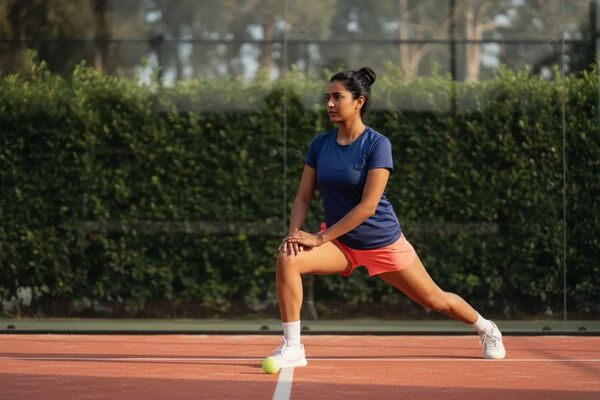
Padel is easy to start and hard to stop, which is exactly why injuries creep in. Quick stops, sudden changes of direction, overhead shots, and repeated swings put steady demands on your ankles, knees, shoulders, and elbows, and newer players often play more often than their bodies are ready for. The good news is that many padel injuries are avoidable with a few consistent habits. This guide covers the injuries that come up most often and the practical steps that help prevent them: warming up, footwear, technique, managing your playing load, and recovery.
Note
This article gives general information, not medical advice. If you're injured, in pain, or have a health condition, speak to a doctor or a qualified physiotherapist, ideally one experienced in racket sports, before continuing to play or starting new exercises.

How Common Are Padel Injuries?
Estimates vary between studies, but injuries are common enough to take seriously. One European estimate suggests around a third of recreational players are injured in a given year. Clinicians note that many of the injuries seen are overuse problems in the elbow and lower limb, and that they're most common among players who are new to the sport or over 30.
The Most Common Padel Injuries
Lower Body
Ankle sprains are among the most common acute injuries, usually caused by sudden changes of direction. Knee overuse problems, calf and thigh strains, and Achilles tendon problems are also frequently seen, particularly during sudden accelerations.
Upper Body
Repetitive racket strokes can strain the forearm tendons, contributing to lateral epicondylitis, often called tennis or padel elbow. Shoulder pain, including rotator cuff problems, and wrist strain are also reported, especially among less experienced players working on technique and those using heavy rackets.
Lower Back
Lower back pain is a common complaint among racket sport players, since twisting, bending, and overhead shots all load the lumbar spine.
A Proper Warm-Up
Put it to the test with our free padel quiz — quick questions, instant results.
Lack of a structured warm-up is one of the most consistently cited risk factors. A warm-up of around 15 to 20 minutes before playing prepares the body for padel's quick accelerations and overhead movements. It should raise your heart rate gradually, activate the movement patterns you'll use, and include specific work for the ankles and knees.
| Warm-Up Phase | What to Do |
|---|---|
| General | Light jogging or skipping to raise heart rate |
| Ankles and lower legs | Balance exercises, calf raises, proprioception drills |
| Knees and hips | Bodyweight squats, lunges, hip circles |
| Core and lower back | Gentle rotations, controlled planks |
| Shoulders and arms | Arm circles, light mobility work, easy swings |
| On court | Easy rallies, building pace gradually |
Wear the Right Shoes
Footwear is a critical piece of injury prevention. Shoes designed for padel provide the lateral support, grip, and stability needed for the sport's quick changes of direction, while shoes designed for other activities may not. Check the soles regularly, clean them, and replace shoes when the grip or cushioning is worn.
Racket, Grip, and Technique
Upper-limb problems are more common among players using heavy rackets and among those still developing their technique. A racket that suits your strength, a grip that isn't too tight, and sound technique all reduce the load on your elbow, shoulder, and wrist. A coach can check your technique and equipment, and a fresh overgrip helps you avoid gripping too tightly.
Important
Don't push through sharp or persistent pain. Pain that continues beyond a session or gets worse over time is a signal to rest and, if it doesn't settle, to see a qualified professional.

Manage Your Playing Load
Padel involves repeated high-intensity efforts, and playing too much without adequate recovery can lead to overuse injuries, particularly in the elbow, shoulder, and Achilles tendon. Build up how often you play gradually, allow rest days between sessions, and take extra care when returning after a break or increasing your weekly total.
Cool Down and Stretch
After playing, light movement followed by static stretching of the legs, forearms, and lower back helps reduce tightness and supports recovery. Rehydrate, and use the time to notice any aches that might need attention rather than ignoring them.
Build Strength and Mobility Off Court
General conditioning supports your body on court. Working on the strength, endurance, and flexibility of the muscles in your arms, back, legs, and ankles helps protect the joints that take the load. You don't need an elaborate program: a couple of short sessions a week of squats, lunges, calf work, core exercises, and shoulder mobility adds a lot.
Who Is Most at Risk?
Newcomers to the sport and players over 30 tend to be seen more often with lower-limb injuries, and less experienced players are more likely to develop upper-limb problems while their technique is still settling. That doesn't mean these groups should play less, only that they benefit most from a thorough warm-up, a gradual build-up, and early coaching. If you're returning after a break or an injury, treat yourself as a beginner for the first few weeks.
Heat, Hydration, and Fatigue
Tired muscles and joints are more vulnerable, so stay hydrated, take breaks between games, and avoid playing through exhaustion. In hot weather, play at cooler times of day and use sun protection on outdoor courts. When you notice your footwork getting sloppy or your swings getting rushed, that's often a sign to rest.
A Simple Weekly Routine for Prevention
You don't need an elaborate plan. Before each session, do a structured warm-up of 15 to 20 minutes. Once or twice a week, add ten to fifteen minutes of balance, calf, core, and shoulder work. After playing, stretch the legs, forearms, and lower back. Over a few weeks, these habits build a more resilient body and make it easier to notice when something isn't right.
Free tournament generator — Americano, Mexicano and more. Set it up in minutes.
Warning Signs to Take Seriously
Stop playing and seek advice if you have sharp pain, swelling, a joint that feels unstable, pain that wakes you at night, or discomfort that gets worse each time you play. If something doesn't settle with a few days of rest, a physiotherapist or doctor can assess it, and early advice often prevents a small problem from becoming a long one.
Common Mistakes
Skipping the Warm-Up
Going straight into a match is a frequent cause of strains and sprains.
Playing in the Wrong Shoes
Shoes without lateral support increase the chance of slips and ankle injuries.
Doing Too Much, Too Soon
Jumping from occasional play to several sessions a week invites overuse problems. Build up gradually.
Ignoring Early Pain
Playing through discomfort turns minor issues into longer ones. Rest and get advice.
Advice
Make your routine automatic: a proper warm-up, the right shoes, a sensible weekly load, and a short cool-down. The habits that prevent injuries are individually small, but together they make the difference between playing for years and being sidelined.

Preventing padel injuries comes down to preparation and sensible habits: warm up properly, wear padel-specific shoes, choose equipment and technique that don't overload your joints, build your playing load gradually, and listen to your body. Do that consistently and you'll spend far more time on court and far less on the sidelines.