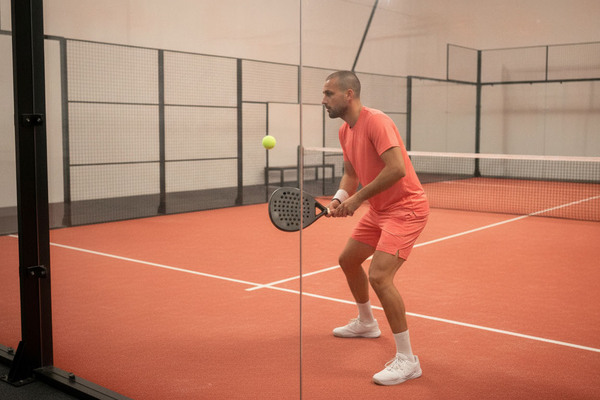
Still watching winnable balls bounce off the wall and die?
Wall play mistakes are some of the clearest markers separating comfortable padel players from those still adjusting to the sport, since the walls are exactly what makes padel different from tennis in the first place. Getting these situations wrong doesn't just cost points occasionally — it often means missing genuine opportunities the walls were designed to create.
This guide walks through the most common wall play mistakes, how to recognize them, and the fixes that address each one.

Mistake 1: Treating Every Ball Heading to the Wall as a Lost Cause
Players coming from tennis sometimes give up on a ball heading toward the back wall out of habit, assuming it's already out of reach the way it would be in tennis. In padel, that same ball rebounds back into play, and abandoning it early wastes a genuinely recoverable point.
Fix: Train yourself to track the ball through the wall rather than assuming the point is over. This mental shift is often the single biggest adjustment tennis players need to make.
Why Wall Play Mistakes Are So Common Among New Players
Wall play is genuinely unlike anything most players have practiced before picking up padel, since even other racket sports with walls, like squash, use them in a completely different way. This means there's rarely much transferable instinct to rely on, and most of the comfort with reading bounces, judging angles, and timing contact off a wall comes specifically from padel repetition rather than skills carried over from elsewhere.
Testa dig själv med vårt gratis padelquiz — snabba frågor, direkt resultat.
Mistake 2: Rushing the First Contact After a Wall Bounce
Trying to hit the ball too early, right as it comes off the wall, before its trajectory has settled, often leads to mishits and weak, unpredictable returns.
Fix: Give the ball a moment to complete its bounce off the wall before committing to your swing, especially on shots involving more than one wall contact.

| Mistake | Symptom | Fix |
|---|---|---|
| Giving up on balls heading to the wall | Wasted, recoverable points | Track the ball through the wall rather than assuming it's lost |
| Rushing the first contact | Mishits, weak returns | Let the bounce complete before swinging |
| Standing too close to the glass | Cramped, rushed shots | Position a step or two behind the rebound point |
| Misjudging side wall angles | Consistently wrong positioning | Watch the full bounce sequence, not just the first contact |
| Overhitting off the wall | Frequent unforced errors | Use a compact swing since pace is already reduced |
Mistake 3: Standing Too Close to the Glass
Crowding the back wall leaves little room to adjust once the ball rebounds, often forcing a cramped, rushed shot instead of a controlled one.
Fix: Position yourself a step or two behind where you expect the ball to rebound, giving yourself space to let the ball come to you rather than reaching at the last second.
Mistake 4: Misjudging Side Wall Angles
Balls that clip a side wall before or after the back wall change direction more sharply than a simple back-wall bounce, and players who haven't built familiarity with this pattern often end up out of position.
Fix: Watch the entire bounce sequence rather than reacting after just the first contact, since the ball's final direction only becomes clear once all the wall contacts have happened.

Mistake 5: Overhitting Off the Wall
Because the ball naturally loses pace after bouncing off the back glass, adding extra power on top of that often sends the shot out of control, since the incoming ball is usually more manageable than it first appears.
Fix: Use a compact, controlled swing rather than trying to muscle the ball, trusting that the wall has already done some of the work of slowing it down.
Mistake 6: Poor Communication on Wall Balls in Doubles
Since wall shots often take a moment to develop, there's frequently a brief window where both players in a team could reasonably go for the ball. Not deciding early who's taking it leads to hesitation, collisions, or both players leaving it.
Fix: Call out early who's taking the ball, ideally before it even reaches the wall, so your partner can adjust their own positioning accordingly.
How to Diagnose Your Own Wall Play Errors
If you're consistently mishitting balls off the wall, check whether you're rushing contact before the bounce settles. If you're reaching or cramped at contact, check your distance from the glass. If the ball's direction keeps surprising you, the issue is likely side wall angles rather than the back wall itself.

Building Wall Play Confidence Through Repetition
Most of these mistakes fade with exposure rather than conscious effort alone, since reading a wall bounce accurately is a skill built through repeated experience with the specific way a given court's glass and fencing behave. Deliberately practicing fed wall shots at varying speeds and angles, rather than only encountering them randomly during matches, accelerates that familiarity considerably.
Padel Wall Play Mistakes Quick Checklist
- Track every ball heading to a wall rather than assuming it's a lost point.
- Let the bounce complete before committing to your swing.
- Position a step or two behind the glass rather than crowding it.
- Watch the full bounce sequence on side wall shots before reacting.
- Use a compact swing, since the ball has already lost pace off the wall.
- Communicate early with your partner about who's taking a wall ball.
Most wall play mistakes come down to timing, positioning, and communication rather than a lack of raw ability. Fix these specific habits, and the walls stop feeling like a source of chaos and start becoming one of the most useful tools padel's court design has to offer.