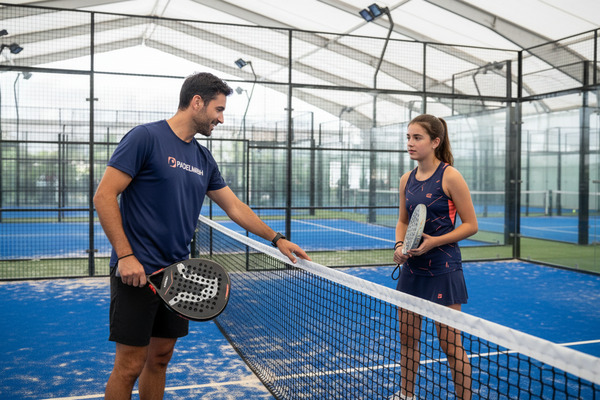
Не понимаете, как устроена сетка?
Сетка — одна из самых важных частей площадки для паделя, и понимание правил, связанных с ней, крайне важно для начинающих. Знание того, что происходит, когда мяч касается сетки, когда игрок касается сетки, а также как развиваются ситуации, связанные с сеткой, во время подачи, поможет вам избежать ненужных ошибок.
В этом руководстве объясняются основные правила, касающиеся сетки в паделе, рассмотрены распространённые заблуждения и приведены практические советы по безопасной игре вблизи сетки.

Каковы правила, касающиеся сетки в паделе?
Сетка делит корт для паделя на две половины. Согласно официальным правилам, её высота в центре составляет 0,88 метра, а у стоек — 0,92 метра.
Мяч может касаться сетки во время обычной игры, и это не приводит к автоматическому завершению розыгрыша. Важно то, куда летит мяч после касания сетки и не было ли нарушено какое-либо другое правило.
Важное различие заключается в том, касается ли сетки мяч или игрок. Мяч может законно касаться сетки во время розыгрыша, тогда как игрок, коснувшийся сетки телом, ракеткой, одеждой или снаряжением во время розыгрыша, теряет очко.
Правила, касающиеся сетки в паделе во время подачи
Ситуации с касанием сетки при подаче регулируются иначе, чем во время розыгрыша. Результат зависит от того, где мяч приземлится после касания сетки.
Когда подача касается сетки
Если подача касается сетки, а затем правильно приземляется в зоне подачи принимающего, подача повторяется. Это обычно называется «подачей в сетку».
Этот принцип действует независимо от того, происходит ли это при первой или второй подаче. Если это происходит при второй подаче, игрок повторяет вторую подачу, а не получает право на новую первую подачу.
Важно
Однако не каждая подача, коснувшаяся сетки, может быть повторена. Если мяч касается сетки, а затем приземляется за пределами положной зоны подачи, подача считается ошибкой.

Что происходит после подачи в сетку?
Повторная подача выполняется с той же стороны и при тех же условиях подачи. Игрок не теряет право на подачу только потому, что мяч коснулся сетки.
Бесплатный генератор турнирной сетки — Americano, Mexicano и другие форматы. Готово за пару минут.
Это одна из ситуаций, которая часто сбивает с толку новичков, особенно тех, кто привык к правилам тенниса.
Правила паделя: касание сетки во время розыгрыша
После того как подача была отбита, касание мяча сетки не приводит к автоматическому прекращению розыгрыша.
Мяч коснулся сетки и перелетел через неё
Если мяч коснулся сетки и продолжил полет на половину соперника, розыгрыш продолжается, если в остальном мяч считается правильным.
Мяч может отскочить на поле соперника и продолжить игру в соответствии с обычным ходом розыгрыша. Соприкосновение с сеткой может изменить скорость или направление мяча, но само по себе не является ошибкой.
Мяч касается сетки и не попадает на половину соперника
Если мяч касается сетки и не попадает на половину соперника, игрок, который ударил по мячу, теряет очко.
То же самое относится к случаю, когда мяч касается сетки, а затем выходит за пределы площадки или иным образом становится нерегулярным.
Простое правило, которое нужно запомнить: касание мячом сетки не является автоматической ошибкой.
Может ли игрок касаться сетки?
Нет. Игрок теряет очко, если во время розыгрыша мяча касается сетки, её стоек или соответствующих частей конструкции сетки своим телом, ракеткой, одеждой или снаряжением.
Контакт не обязательно должен быть преднамеренным. Случайного касания сетки достаточно, чтобы потерять очко.
Это особенно важно при выходе вперед для атаки. Игроки должны оставлять достаточно места для движения, остановки и реакции, чтобы не наткнуться на сетку.
Можно ли протягивать руку через сетку?
Протягивание руки или завершение удара через сетку не всегда автоматически считается нарушением. Важно то, мешает ли игрок игре соперника, касается ли он сетки или играет мячом способом, не разрешенным правилами.
Самый безопасный подход — избегать использования сетки для удержания равновесия или попыток играть прямо над ней. Если ваше тело, ракетка, одежда или экипировка касаются сетки, пока очко еще находится в игре, вы теряете очко.
Распространенные ошибки, которые допускают новички при игре у сетки
Сетка может вызывать замешательство, если вы только начинаете играть в падел. Вот некоторые из наиболее распространённых ошибок, на которые следует обратить внимание:
- Предположение, что каждый мяч, коснувшийся сетки, является фолом.
- Считать подачу в сетку автоматически проигранной подачей.
- Забывать, что повторная подача в сетку при второй подаче по-прежнему считается второй подачей.
- Стоять слишком близко к сетке и случайно касаться её во время движения.
- Пытаясь дотянуться до сложного мяча, задеть сетку ракеткой или одеждой.
- Путать касание мяча сеткой с касанием сетки игроком.
- Прерывание розыгрыша только потому, что мяч слегка задел сетку.
Расположение у сетки и безопасная игра
Умелое ведение игры у сетки — важная часть паделя, но стоять прямо у сетки редко бывает хорошей идеей.
Совет
Игрокам следует оставлять достаточно места, чтобы успеть среагировать на быстрые мячи, неожиданные отскоки и изменения направления после того, как мяч задевает сетку. Небольшое расстояние также дает вам пространство для маневра, позволяя не задеть сетку случайно.

В то же время, если стоять слишком далеко от сетки, может быть сложнее оказывать давление на соперников. Правильное расположение означает поиск баланса между тем, чтобы быть достаточно близко для атаки и иметь достаточно пространства для реакции.
В парной игре особенно важна коммуникация с партнером. Оба игрока должны двигаться синхронно и сохранять сбалансированное расположение, а не оставлять между собой большие промежутки.
Леты и повторные розыгрыши у сетки
«Лет» означает, что очко переигрывается, поскольку определённая ситуация прервала игру, и ни одной из сторон очко не было засчитано.
Примечание
Подача в сетку, отвечающая требованиям для повторного розыгрыша, представляет собой отдельную ситуацию подачи и не должна путаться с другими видами «летов».

Леты также могут возникать из-за постороннего вмешательства или других обстоятельств, предусмотренных официальными правилами. Например, если в игру вмешивается какой-либо предмет или мяч с другого корта, это может привести к повторному розыгрышу очка.
Правила игры у сетки в парном паделе
В одиночном и парном паделе действуют одни и те же правила, касающиеся сетки. Однако в парной игре расположение игроков у сетки приобретает еще большее значение, так как оба игрока должны координировать свои движения.
Если один из игроков коснется сетки, пока мяч находится в игре, его команда теряет очко. Хорошая коммуникация помогает предотвратить случайный контакт и облегчает обоим игрокам удержание эффективной позиции.
Советы для более качественной и безопасной игры у сетки
Понимать правила — это одно. А безопасно и эффективно применять эти знания на корте — совсем другое.
- Оставляйте небольшое расстояние между собой и сеткой.
- Держите ракетку в готовности, чтобы не пришлось совершать неконтролируемые движения.
- Не используйте сетку для удержания равновесия при смене направления.
- Если во время розыгрыша мяч задевает сетку, продолжайте игру, если только мяч не вышел из игры по другой причине.
- Помните, что повторная подача в сетку не дает вам права на новую первую подачу.
- Общайтесь с партнёром, когда выдвигаетесь вперёд или защищаете сетку.
- Потренируйтесь в контролируемых движениях у сетки, прежде чем пробовать агрессивные удары.
Почему важно понимать роль сетки
Сетка занимает центральное место в стратегии паделя. Игроки часто выходят вперед, чтобы взять контроль над розыгрышем, атаковать короткие мячи и оказывать давление из зоны у сетки.
Понимание правил значительно облегчает управление такими ситуациями. Вы узнаете, когда мяч, коснувшийся сетки, все еще находится в игре, когда подачу необходимо повторить, а когда контакт с сеткой означает окончание розыгрыша.
Самое важное правило, которое нужно запомнить, просто: мяч может касаться сетки, а вы — нет.