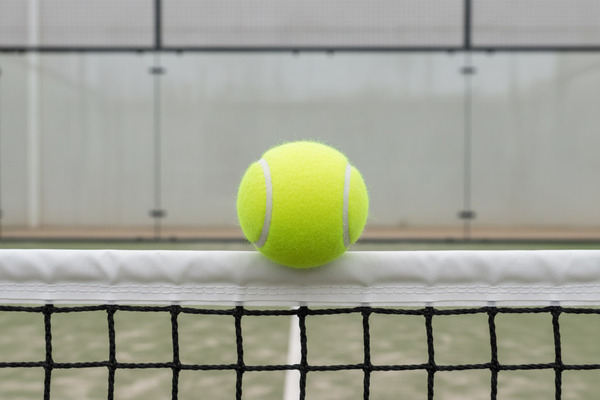
Не уверены, когда считается «лет»?
«Лет» в паделе означает, что розыгрыш очка прерывается и повторяется, при этом ни одной из сторон не начисляется ошибка. Это одно из первых правил «лета» в паделе, с которым сталкиваются новички, обычно в тот момент, когда подача задевает сетку, но при этом попадает в нужную зону. Знание того, когда применяется «лет» — а когда нет — избавит вас от споров по поводу очков, которые в противном случае вы бы честно и справедливо потеряли.
В этом руководстве рассмотрены все ситуации, в которых в паделе требуется повтор розыгрыша, кто имеет право объявить «лет» и чем он отличается от обычного фола. К концу вы будете точно знать, что делать, когда мяч коснется сетки, на площадку закатится мяч с соседнего корта или кто-то крикнет во время розыгрыша.

Что считается «летом» в паделе
«Лет» — это прерывание, при котором текущий очко аннулируется и розыгрыш начинается заново, как правило, с повторной подачи того же игрока. Это не очко, выигранное или проигранное какой-либо из команд — оно просто не засчитывается. Падел заимствует эту идею у тенниса, но ситуации, приводящие к «лету», немного отличаются из-за стен и стекла, окружающих корт для паделя.
Существует две основные категории, которые стоит разграничить с самого начала:
- «Лет» при подаче — мяч касается сетки при подаче, но все же приземляется в пределах площадки.
- Внешние помехи — игра прерывается чем-то, не связанным с самой розыгрышем, например, когда мяч закатился на корт.
Почему существует правило «лет» при подаче
Правило касания сетки существует не для того, чтобы наказывать за удачу или неудачу — оно призвано обеспечить справедливость и предсказуемость подач. Мяч, слегка задевающий сетку, теряет скорость и немного меняет направление, что в противном случае превратило бы каждую подачу в нечто вроде лотереи. Вместо того чтобы поощрять или наказывать эту случайность, в паделе её просто аннулируют и начинают розыгрыш заново — точно так же, как это делается в теннисе уже более века.
Это также не позволяет, чтобы исход подачи — пожалуй, единственного удара, который игрок полностью контролирует — зависел от случайного отскока от сетки, а не от реального мастерства.
«Лет» при подаче: правило касания сетки
Это классическое правило «лет» в паделе, с которым игроки сталкиваются чаще всего. Если мяч подающего задевает верхнюю часть сетки, а затем приземляется внутри правильной диагональной зоны подачи, не коснувшись сначала ограждения или стекла, это считается «лет». Очко не засчитывается, и никто ничего не теряет из-за этого.
Проверьте себя в бесплатном тесте по паделу — короткие вопросы, результат сразу.
Важно
Если мяч коснулся сетки и приземлился за пределами соответствующей зоны, либо ударился о ограждение или стекло перед приземлением, это не «лет» — это фол, и все просто. Касание сетки спасает подачу только в том случае, если все остальные аспекты подачи остались правильными.

Что происходит после «лет»-подачи
Подающий просто подает снова с той же стороны при том же счёте. Никаких штрафов, никакой потери подачи, и принимающая команда не получает от этого никакого преимущества. Игра возобновляется так, как будто предыдущей подачи и не было.

Вторая подача после «лет»
Если «лет» произошёл при первой подаче, подающий всё равно получает право на повторную попытку подачи, точно так же, как обычно. «Лет» не расходует попытку подачи — он просто повторяет ту же самую. Если «лет» произошёл при второй подаче, подающий может повторить именно эту вторую подачу, а не выполнять новую первую подачу.
Бывают ли «лет» во время розыгрыша?
Как только мяч вступает в игру после подачи, в паделе не предусмотрено «лет» в случае касания сетки мячом во время розыгрыша. Если ваш удар с земли зацепил сетку, но мяч всё равно приземлился в поле, игра продолжается в обычном режиме — это просто удачный удар, а не «лет». Правило «лета» в паделе связано исключительно с подачей, а не с ударами во время розыгрыша в целом.
Прерывания и «леты»
Розыгрыш повторяется в тех случаях, когда что-то вне игры двух команд нарушает ход розыгрыша. Технически это остановка, а не «лет» в строгом смысле, но большинство игроков и даже большинство правил используют термин «лет» в широком смысле для обозначения обоих случаев. В любом случае практический результат один и тот же: остановка, повтор розыгрыша, отсутствие начисления ошибки.
| Ситуация | Решение | Кто подает следующим |
|---|---|---|
| Подача задевает сетку, но попадает в правильную зону | Лет — повторить подачу | Тот же подающий, тот же розыгрыш |
| Подача задевает сетку, приземляется за линией или сначала ударяется о ограждение | Ошибка, не «лет» | Подающий продолжает игру в соответствии с обычными правилами, касающимися ошибок |
| Удар в розыгрыше задевает сетку и попадает в поле | Удачный удар, игра продолжается | Повтор не требуется |
| Мяч прикатывается с другого корта | Остановка — очко переигрывается | Тот же подающий, тот же розыгрыш |
| Внезапный громкий шум или падение предмета на корт | Прерывание — розыграть очко заново | Тот же подающий, тот же розыгрыш |
Кто объявляет «лет» и как
В любительском и клубном паделе любая из команд может объявить «лет», и это следует делать немедленно, как только произошло нарушение. Ожидание окончания розыгрыша, чтобы заявить о «лете», особенно если вы проиграли розыгрыш, является нарушением этикета и, как правило, отклоняется другой командой.
В матчах с участием судьи решение принимает судья, и от игроков ожидается, что они будут продолжать игру до тех пор, пока не прозвучит свисток или не будет дана устная команда на остановку, а не останавливаться по собственному усмотрению. Это позволяет избежать ситуации, когда одна из команд в одностороннем порядке решает аннулировать очко в середине розыгрыша.
Хорошая привычка на любом уровне: объявляйте о «лет» громко, быстро и будьте готовы точно объяснить, что произошло, если соперники этого не заметили.
Типичные ошибки новичков
Мяч закатился на корт
Это постоянно происходит в оживлённых клубах, где корты расположены рядом. Если во время розыгрыша мяч с соседнего корта закатился на ваш, немедленно остановите игру и переиграйте розыгрыш — не пытайтесь доиграть его до конца. Продолжать игру, а затем, если вы проиграли очко, заявлять о «лет» — не допускается.
Кто-то проходит через вашу линию зрения
Зритель, сотрудник клуба или другой игрок, пересекающий стеклянную перегородку в неподходящий момент, действительно может помешать удару. Решение о том, является ли это основанием для «лет», в большей степени зависит от субъективной оценки, чем правило о касании сетки — в большинстве клубов явное и внезапное отвлечение внимания считается основанием для повторного розыгрыша, если о нем сразу же заявили, но незначительное движение на заднем плане обычно не учитывается.
Падение экипировки или одежды
Если во время розыгрыша очка у игрока спадает шапка, манжета или какой-либо предмет экипировки, и это заметно влияет на игру, большинство правил рассматривают это как основание для повторного розыгрыша. Если предмет спадает, но никак не мешает розыгрышу, многие группы просто продолжают игру, а не останавливаются из-за чего-то, что не имеет значения.
Путаница между «лет» и «фол»
Самая распространённая путаница: подача, которая задевает сетку и приземляется за пределами площадки, является фолом, а не «летом». Новички иногда полагают, что любое касание сетки при подаче автоматически означает повтор розыгрыша. Это становится «летом» только в том случае, если остальная часть подачи была правильной — мяч приземлился в нужной зоне, не задев ничего другого.
Правила «лет» в паделе и теннисе
Если вы играли в теннис, «лет» при подаче покажется вам совершенно знакомым — по сути, он идентичен. Более существенное различие проявляется в устройстве корта. Стеклянные перегородки и ограждения в паделе означают, что мяч остается в игре при отскоке от многих поверхностей, где в теннисе его просто объявили бы «аут», поэтому здесь меньше «спорных моментов», которые вызывают споры как «лет», по сравнению с теннисным матчем, где вокруг корта открытое пространство.
В теннисе на профессиональном уровне также существуют более формальные процедуры «лет» с использованием электронных судей на линии и специальных шнуров для «лет» в некоторых конфигурациях. Падел, в который играют в основном на клубном уровне, в гораздо большей степени полагается на честность игроков и быстрое взаимодействие между командами.
Влияет ли «лет» на счет или на «золотой очко»?
Нет. «Лет» никогда не меняет счёт и никогда не пропускает или не сбрасывает ситуацию «золотого очка». Если «лет» происходит во время подачи на «золотой очко», просто повторяется та же самая подача на «золотой очко» — счет остаётся точно таким же, каким был. Ни одна из команд ничего не выигрывает и не теряет из-за самого прерывания, что, собственно, и является основной идеей «лета».
Это важнее, чем кажется, потому что моменты «золотого очка» и без того напряженны, и вовремя выкрикнутое «лет» командой, которая вот-вот проиграет очко, может выглядеть подозрительно. Соблюдение правила — объявлять о «лете» сразу, а не после того, как результат уже известен — не дает ситуации перерасти в спор.
Краткий чек-лист правил «лет» в паделе
- Подача заделала сетку и приземлилась в правильной зоне? Это «лет» — повторите подачу, тот же подающий.
- Подача заделала сетку и приземлилась в любом другом месте? Это фол, а не «лет».
- Удар в розыгрыше задевает сетку и попадает в поле? Игра продолжается, «лет» не применяется.
- Что-то вне поля мешает игре (мяч, человек, громкое прерывание)? Немедленно остановите игру и переиграйте розыгрыш.
- Объявляйте об этом в тот же момент, когда это происходит — никогда задним числом, после того как розыгрыш уже завершился.
- В матчах с судьей дождитесь решения главного судьи, а не останавливайте игру самостоятельно.
Как только вы освоите эти правила «лет» в паделе, неловкие паузы и споры посреди розыгрыша в основном исчезнут. Все сводится к небольшому списку ситуаций, и почти все они сводятся к одному инстинкту: быстро останавливайте игру, четко объявляйте решение и переигрывайте розыгрыш, а не спорьте.