
Idéal pour les attaquants gauchers confirmés
Les joueurs confirmés, en particulier les attaquants du côté gauche, qui génèrent eux-mêmes la vitesse de la tête de raquette et souhaitent conclure les points au filet et en smash. Ceux qui comptent sur le cadre pour rattraper un swing tardif, qui pratiquent un jeu essentiellement défensif ou qui recherchent des sensations plus souples et plus tolérantes trouveront que cette raquette ne leur convient pas.

Caractéristiques techniques
- Forme
- Diamant
- Poids
- 355–375 g
- Toucher
- Dure
- Noyau
- Caoutchouc EVA
- Faces
- Fibre de carbone 12K
- Cadre
- Carbone
- Niveau
- Avancé
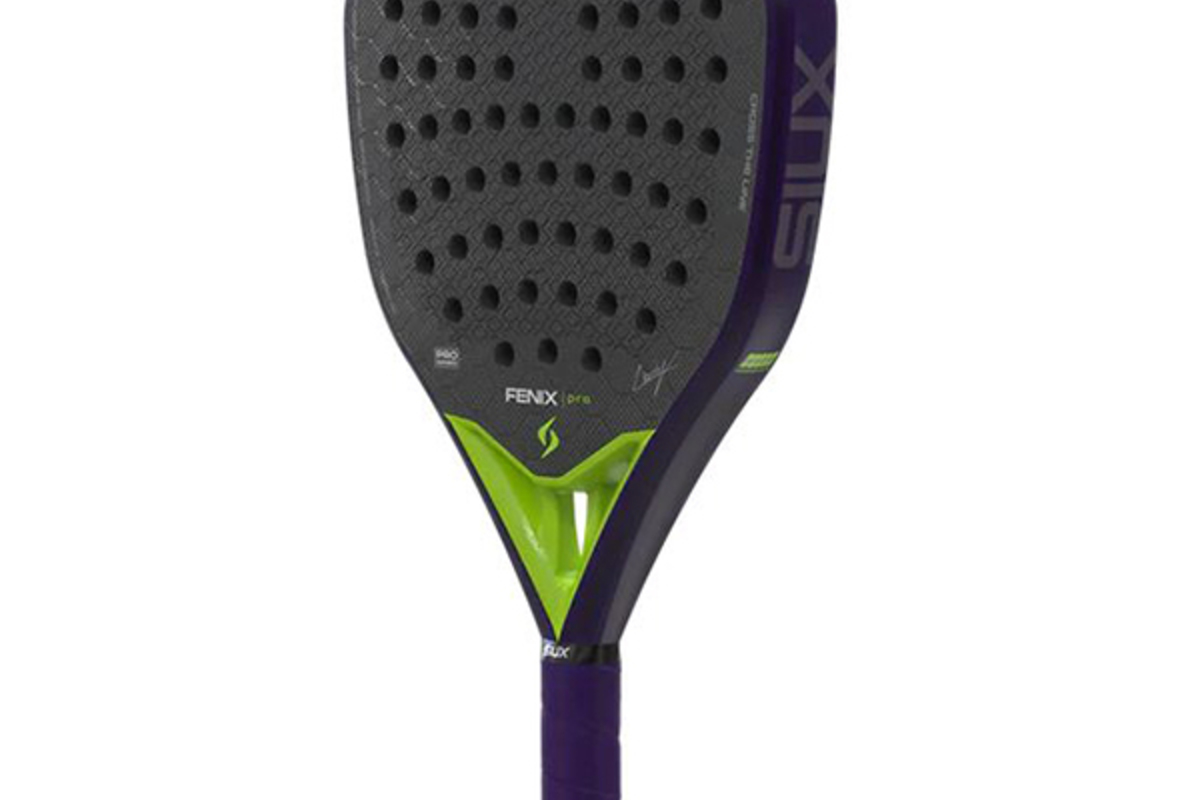
Présentation de la Siux Fenix Pro 2026
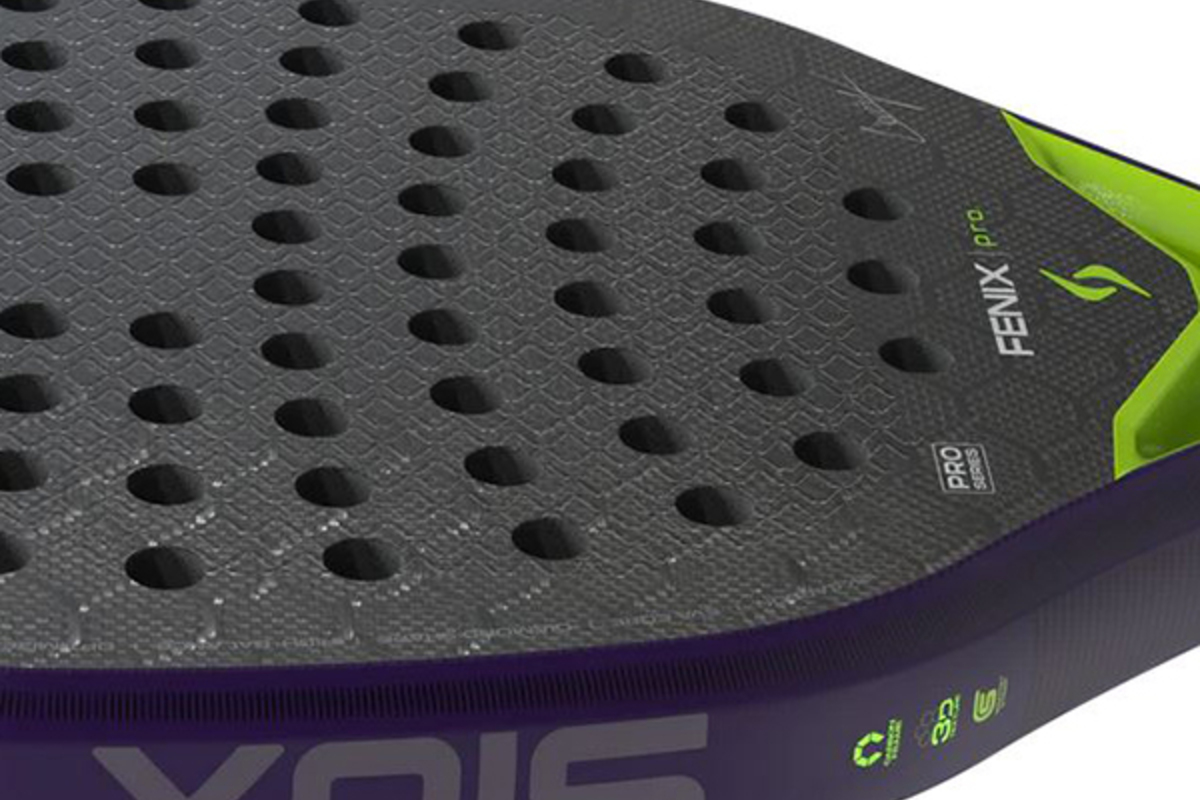
La Siux Fenix Pro 2026 est une raquette de forme diamant, dotée d’un centre de gravité haut et d’une face en carbone 12K sur un noyau en EVA dur, offrant une réponse rigide et directe. La zone de frappe idéale est située haut sur la face, et la raquette récompense les swings agressifs et engagés. Le contact est vif plutôt que moelleux, et les coups ratés sont sanctionnés plutôt qu’absorbés.
Avantages et inconvénients
Avantages
- Puissance maximale élevée sur les smashes et les amortis.
- Réponse puissante et directe en volée, avec un bon potentiel d'effets.
- Bandeja et víbora précises en cas de contact net.
- Cadre résistant à la torsion.
Inconvénients
- Les lobs défensifs peuvent tomber trop courts ; les contacts décentrés sont rapidement pénalisés.
- L'équilibre en tête de raquette ralentit les réactions lors des échanges rapides au filet.
- La puissance nécessite une vitesse de swing active ; peu d’aide sur les swings plus lents.
- Le confort diminue en cas de fatigue ou de contact mal synchronisé.
- Le grip d'origine est décrit comme fin ; la plupart des joueurs préféreront un surgrip.
Technologies et matériaux
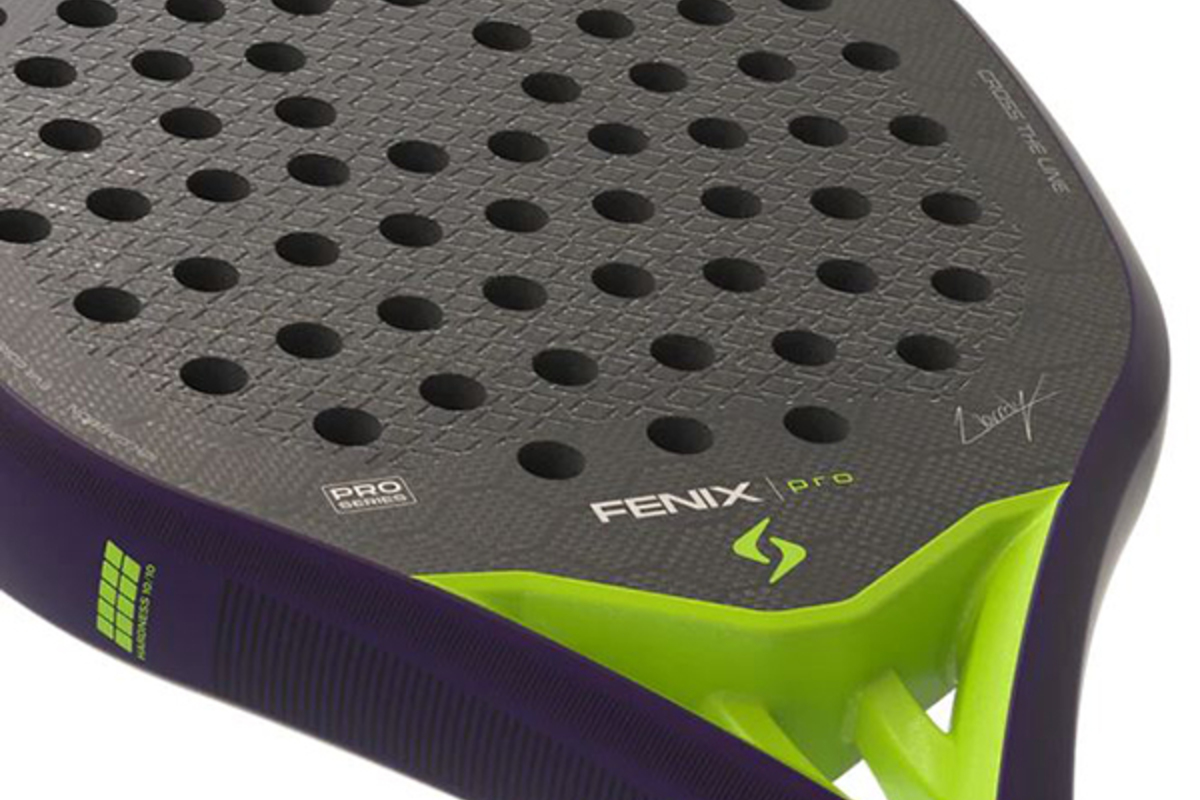
- Face en fibre de carbone 12K — offre rigidité et durabilité, contribuant à la sortie directe de la balle qui définit le caractère du cadre ;
- Noyau dur en EVA — conçu pour maximiser le transfert d’énergie à des vitesses de swing élevées plutôt que d’amortir l’impact ; la réponse reste ferme plutôt qu’élastique ;
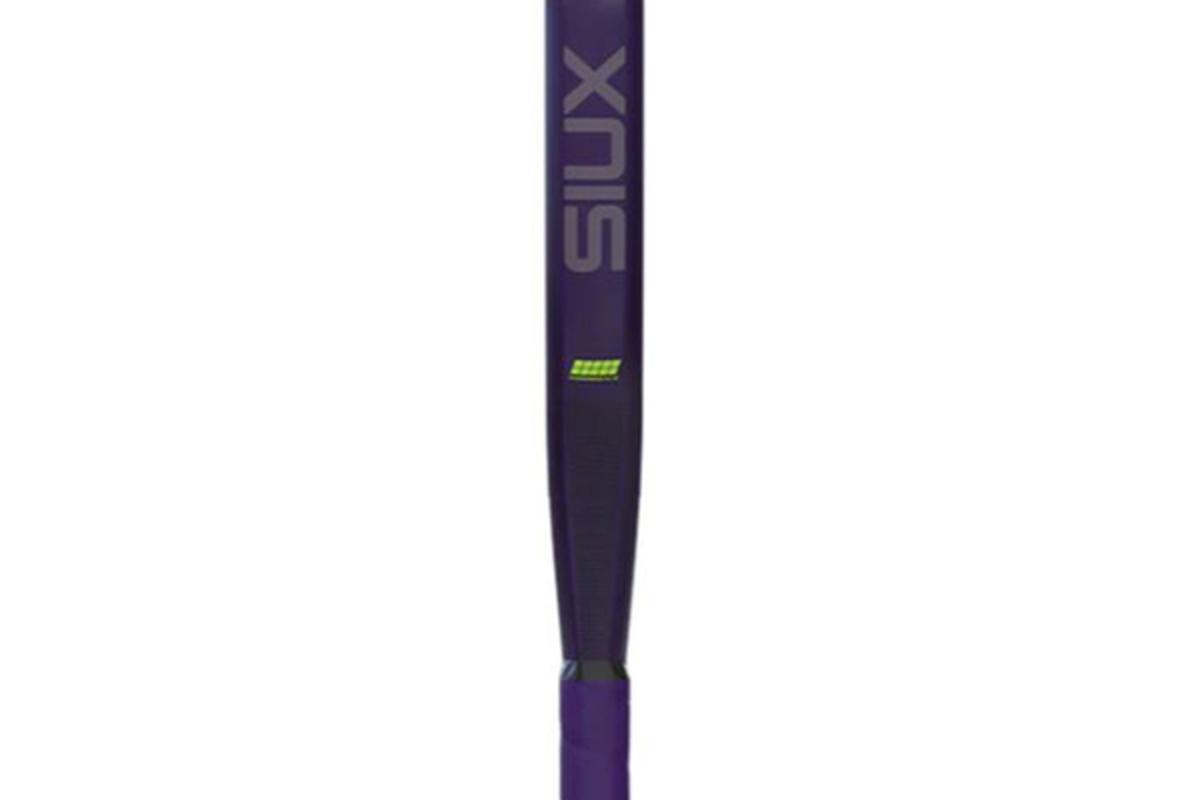
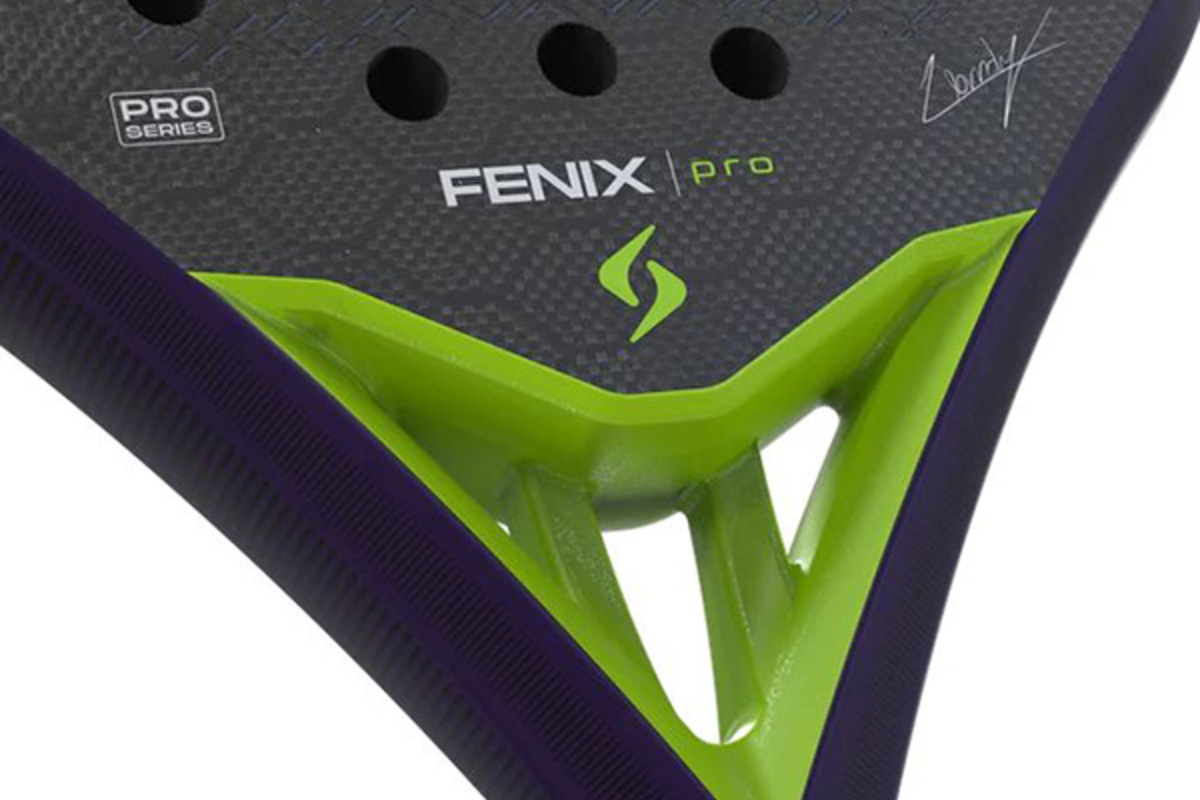
- Cadre en carbone — construction en carbone haute densité pour plus de rigidité et de durabilité ;
- Finition satinée + texture 3D — améliore la friction entre la balle et la face pour générer des effets ;
- Poignée ergonomique — conception standard pour une prise en main et un contrôle optimaux.
Ce qui rend la Siux Fenix Pro 2026 si spéciale
Cette raquette allie un potentiel de puissance élevé à une plage de performance étroite : un contact net dans la zone centrale supérieure génère des smashes explosifs. La surface texturée en 3D apporte de l’accroche pour les effets sur les « víbora », les smashes en kick et les coups en slice, bien que cette texture ne soit efficace que lorsque le contact est précis. Si vous sortez de la zone effective, la rigidité amplifie la perte de rebond.
Galerie
Impressions sur le court
Défense
La défense est plus efficace lorsqu’elle est jouée de manière intentionnelle plutôt que comme un repli passif. Les lobs bas et les blocs effectués avec une main ferme produisent une réponse solide et contrôlée. La balle ne s'enfonce pas dans la face de la raquette au contact ; franchir le filet dépend donc de la technique plutôt que de l'aide apportée par la raquette. Les lobs peinent parfois à trouver la longueur, beaucoup tombant trop courts. Les coups ratés verticaux en dessous du point d'impact idéal aplatissent la trajectoire et réduisent le rebond, rendant les lobs défensifs plus difficiles. Les coups ratés latéraux vers les bords font immédiatement perdre en profondeur et en vitesse. Les longs échanges défensifs sont très exigeants physiquement : la réponse ferme n’offre pas de rebond plus souple sur lequel s’appuyer, et la régularité baisse rapidement en cas de fatigue. C’est dans la défense en revers et les coups droits étirés que la petite zone de frappe idéale se remarque le plus clairement.
Jeu au filet
Au filet, la raquette prend toute sa dimension. Les volées sont rapides et puissantes, avec une bonne précision lorsque l’on reste compact, et suffisamment de mordant pour maintenir les adversaires sur la défensive. Les blocs sont solides, les volées à plat vers les coins sortent proprement, et les volées coupées agressives maintiennent la balle basse. Les chiquitas rapides et la pression dès la première volée fonctionnent bien lorsque le rythme est affirmé, même si les échanges rapides nécessitent un certain temps d’adaptation avant que la raquette ne donne une sensation de solidité. Le cadre ne se tord pas lors du blocage de coups plus puissants. Le poids de la tête apporte de la solidité sur les volées percutantes, mais aussi de l’inertie lors des échanges nécessitant une réaction rapide : une préparation anticipée maintient la raquette stable, tandis qu’une préparation précipitée met en évidence son équilibre tête lourde. Les configurations situées dans la partie basse de la fourchette de poids (355–360 g) restent maniables ; celles proches de la limite supérieure (370–375 g) ralentissent la récupération entre les touches.
Important
Dans les échanges rapides et chaotiques, la zone de frappe idéale étroite accentue les conséquences d’un contact tardif, transformant souvent une réponse agressive en une balle courte ou neutre.

Bandeja & Víbora
La réponse ferme aide à garder la balle profonde sur la bandeja, et la víbora offre suffisamment d’accroche grâce à sa surface texturée pour ajouter de la vitesse sans lutter contre le cadre.
Conseil
Ces deux coups donnent leur meilleur rendement lorsqu’ils sont exécutés avec une technique régulière plutôt que par improvisation. Les smashes en kick et les víboras sont très efficaces lorsque le contact est bien placé, mais ils exigent tout de même de la précision et ne fonctionnent pas automatiquement.

Smash
Une bonne préparation du mouvement sur les smashes génère une puissance explosive, en particulier sur les smashes à plat depuis la zone centrale supérieure. La « víbora » est vive et percutante, et les smashes « kick » sont très efficaces. La puissance est bien là, mais elle se mérite : les smashes à plat exigent une réelle vitesse du bras, et le cadre n’apporte qu’une aide minime lors des swings plus lents. La puissance diminue rapidement sans accélération active.
Tolérance
Un contact centré offre une puissance nette avec un bon contrôle directionnel et une bonne vitesse de balle, mais même un décalage latéral modéré entraîne une forte baisse de l’efficacité du rebond. La raquette ne masque pas les contacts mal synchronisés ; elle renforce la nécessité d’une préparation précoce et d’un timing constant. La stabilité hors centre est bonne sur le plan structurel. Cependant, si le cadre résiste à la torsion, le transfert d’énergie chute fortement dès que le contact s’écarte de la zone effective.
Confort
Lors d’un contact net avec une technique active, la raquette reste maniable, mais en cas de fatigue ou de coups mal synchronisés, la réponse ferme et l’équilibre haut ajoutent une charge au niveau de l’épaule et de l’avant-bras.
Remarque
Les vibrations sont maîtrisées par la rigidité plutôt que par l’amortissement, ce qui confère des sensations stables mais jamais molles.

Conclusion
La Siux Fenix Pro 2026 est un outil spécialisé : une préparation soignée et un swing complet permettent de dégager des smashes et des amortis explosifs, mais elle ne masque pas un swing tardif ou un coup mal synchronisé. C’est en défense et lors des contacts décentrés que les compromis apparaissent, et le jeu au filet privilégie un positionnement anticipé plutôt qu’un blocage réactif. Elle convient aux joueurs avancés et offensifs qui génèrent déjà leur propre rythme et recherchent une raquette apportant du poids de finition aux coups qu’ils sont capables de produire de manière fiable. Ceux qui sont encore en train de développer une technique régulière, ou qui recherchent une raquette capable de compenser un contact imparfait, y trouveront davantage d’obstacles que d’aide.
Où acheter Siux Fenix Pro 2026

- Raquette
- Siux
- 7 minutes
- John Macallan