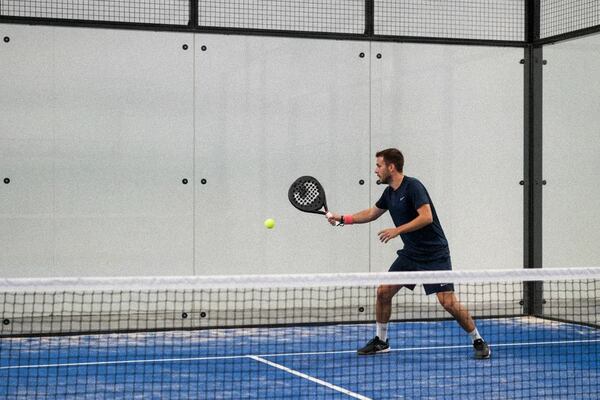
Padel back wall shots cover more ground than most beginners expect at first. It's not just about the ball bouncing straight off the back glass — sometimes it hits a side wall first, sometimes both walls in sequence, and each combination changes how you should move and what shot options make sense. Getting comfortable with these variations is one of the clearest markers of moving from beginner to intermediate play.
This guide breaks down the different types of back wall shots, the footwork and shot choices for each, and the mistakes that trip up most players as they're learning to use the walls instead of fearing them.
Why Back Wall Shots Are a Core Padel Skill
Padel's enclosed court is what makes the sport genuinely different from tennis, and the back wall is at the center of that difference. Balls that would sail out of reach in tennis stay alive in padel, rebounding back into play off the glass and fencing. This means every player, regardless of level, eventually needs a reliable set of options for handling the ball once it's played off a wall.
Types of Back Wall Shots
Not every back wall shot behaves the same way, and recognizing which type you're dealing with early makes a huge difference in how well you can respond.
Single Wall Bounce
This is the simplest case: the ball bounces on the court, hits the back glass directly, and comes back out at a fairly predictable angle. Most beginners start here, since the trajectory is easier to read than shots involving a side wall.
Side Wall to Back Wall
A ball can also clip a side fence or glass panel before hitting the back wall, creating a less predictable double-bounce pattern. These shots require more patience, since the ball's path changes twice before it's ready to hit, and rushing to strike it early often leads to mishits.
Back Wall to Side Wall
Less common but still worth recognizing, some balls hit the back glass first and then clip a side wall on the rebound, sending the ball at a sharper angle than a standard single bounce. Watching the full sequence rather than reacting after the first contact is essential here too.
| Bounce Type | Predictability | Key Adjustment |
|---|---|---|
| Single back wall bounce | High | Standard positioning behind the rebound point |
| Side wall then back wall | Medium | Wait longer, angle changes twice |
| Back wall then side wall | Lower | Expect a sharper, more lateral rebound |
Footwork for Back Wall Shots
Good footwork is what turns a stressful scramble into a controlled shot. As soon as you see the ball heading toward a wall, start moving to a position slightly behind and to the side of where you expect it to end up, rather than chasing it directly. This gives you time to set your feet and swing properly instead of reaching for the ball at the last second.
Small adjusting steps as the ball completes its bounce sequence matter more than one big sprint toward the wall — overcommitting early to a guessed position often leaves you out of position if the bounce doesn't behave exactly as expected.
Shot Options Off the Back Wall
The Defensive Lob
When you're stretched or the ball comes out awkwardly, a defensive lob is often the safest choice. It buys time for you and your partner to recover position rather than forcing a low-percentage shot from a difficult spot.
The Cross-Court Reset
A controlled, cross-court shot aimed toward the middle or opposite side of the court is a reliable way to keep the point alive when you have decent control but aren't in a strong attacking position. This shot prioritizes consistency over aggression.
The Down-the-Line Attack
If the ball comes off the wall with good pace and you're well-positioned, a flatter shot down the line can catch opponents off guard, especially if they're expecting a defensive reply after a wall bounce. This option requires more confidence and should only be used when your positioning and balance genuinely support it.
Common Mistakes With Back Wall Shots
Rushing the First Wall Contact
Trying to hit the ball too early, right as it comes off the first wall in a double-bounce sequence, often leads to mishits since the trajectory hasn't fully settled yet. Give the ball time to complete its full path before committing to your swing.
Misjudging Side Wall Angles
Side wall contact changes the ball's direction more sharply than most beginners expect the first several times they see it. Watching closely rather than guessing based on where a "normal" shot would go helps avoid consistently misreading these bounces.
Standing Flat-Footed
Waiting in one spot rather than making small position adjustments as the ball moves through its bounce sequence often results in reaching awkwardly for the final contact point. Stay light on your feet and keep adjusting until the ball is actually in range.
Overcommitting to an Attacking Shot
Not every ball off the wall is a good opportunity to attack. Trying to force pace or an aggressive angle from a poor position leads to far more unforced errors than simply resetting the point with a controlled shot.
Practicing Back Wall Shots
A useful drill is to have a partner or coach feed balls at different wall combinations — straight back wall, side-then-back, back-then-side — so you build recognition for each pattern separately rather than facing them randomly for the first time in a match. Starting slow and gradually increasing pace and variety helps the footwork and timing become automatic.
Deciding Whether to Let the Ball Hit the Wall
Not every ball heading toward the back needs to bounce off the wall at all. Sometimes taking the ball earlier, before it reaches the glass, or even volleying it out of the air, is the better option — especially if the incoming shot is slow or high enough to attack directly. Letting a ball you could have attacked go all the way to the wall just to play it safe can hand back an opportunity you didn't need to give up.
A good rule of thumb: if you have time, balance, and a clear look at an aggressive shot before the wall, take it. If you're rushed, off-balance, or the ball is dropping awkwardly, let the wall do some of the work and reset from there.
Communicating With Your Partner on Wall Shots
Because wall shots often take a moment to develop, there's usually a brief window where both players in a doubles team could reasonably go for the ball. Deciding early who's taking it — and calling it out loud — prevents hesitation or collisions, especially on side-wall-to-back-wall sequences where the ball's path isn't obvious until late.
How This Differs From Tennis Habits
Players coming to padel from tennis often struggle initially with back wall shots simply because the instinct to treat a passed ball as a lost point is so deeply ingrained. Unlearning that reflex — training yourself to track the ball through the wall instead of giving up on it — is usually the biggest adjustment tennis players need to make when picking up padel.
Back Wall Shots Quick Checklist
- Recognize which type of wall bounce you're dealing with before deciding on a shot.
- Give double-bounce shots extra time — don't rush the first contact.
- Position yourself slightly behind and to the side of the expected rebound.
- Use small adjusting steps rather than one big movement toward the wall.
- Choose your shot based on your balance and control, not just what's tempting.
- Default to a defensive lob or cross-court reset when in doubt.
Back wall shots stop feeling chaotic once you can quickly recognize the type of bounce you're facing and match your footwork and shot choice to it. With enough repetition, using the walls becomes second nature instead of something to survive.