Oxdog Hyper Pro 2.0 2026 vs Oxdog Ultimate Pro 2026
Find your perfect match. Compare specs and ratings side by side.
Ratings
Specifications
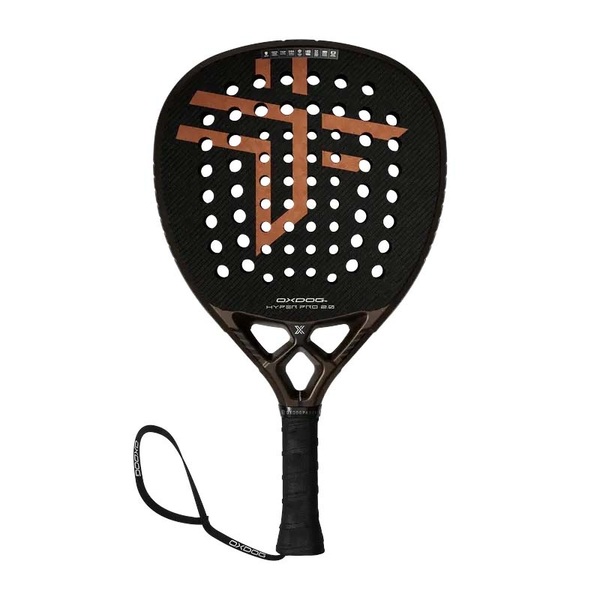
The Oxdog Hyper Pro 2.0 is a teardrop, top balance racket built for direct, attacking play, pairing an HES-Carbon face with an EVA Medium+ core and no SilentSpeed damping. It excels on the smash, at the net, and on the overhead game, while asking for real preparation in defense and offering a tighter margin on off centre contact. It suits an intermediate to advanced player who wants a firm, direct attacking racket, more than one chasing a wide, forgiving sweet spot or a cushioned feel.
- Genuine finishing power on the smash.
- Direct, reactive net play with real bite on volleys.
- Strong, controlled overhead shots on the bandeja and víbora.
- Adjustable balance through the RBS weight system.
- Defense demands early preparation and punishes a late or rushed swing.
- Sweet spot is narrower than its overall rating suggests.
- Vibration on off centre contact is more noticeable than on Oxdog's SilentSpeed equipped models.
- Not built for a player who wants a soft, cushioned feel on defensive contact.
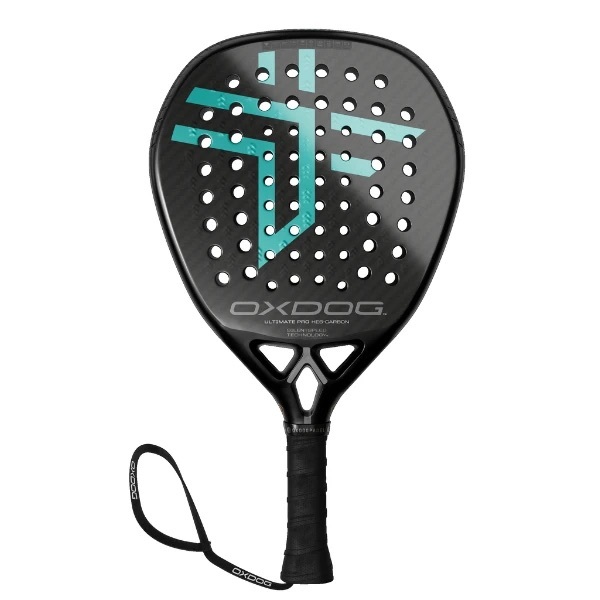
The Ultimate Pro 2026 is an attacking diamond racket built around an HES Carbon face and an EVA Medium+ core, positioned as the middle ground between the softer Ultimate Pro Light and the stiffer Ultimate Pro+. Its strengths land at the net, on the smash, and on the overhead game, where the top balance and DSH hole pattern combine for real pace with a workable margin for error. The trade off shows up in defense and in comfort, where the frame asks more of the player and the arm than a softer, more neutral racket would. It fits an intermediate to advanced player building a net dominant, finishing game more than one whose game depends on absorbing pace from deep.
- Strong, genuine power on the smash and other finishing shots.
- Stable net play that holds its line through fast exchanges.
- Real bite and depth on the víbora and bandeja once the technique is there.
- The DSH hole pattern gives a real cushion on a slightly off centre bandeja or víbora.
- Defense from low, slow positions gets little help from the frame; a rushed shot loses depth quickly.
- Comfort is the weakest attribute; vibration is only partly managed and the response stays firm.
- Fast reactive exchanges from deep demand real physical commitment, since the top balance slows repositioning.
- Gives back noticeably less on a shortened or half paced swing than on a complete one.


Subscribe to Padelmesh updates
News, gear reviews and guides from players and coaches — straight to your inbox.
Often search
Padel product overviews on Padelmesh are hands-on: every racket is tested across the same set of parameters, so you can compare power, control, balance and comfort side by side instead of relying on marketing claims.
Once you have picked a racket, find a court to try it on. Padelmesh covers padel clubs, coaches and club chains in dozens of countries.
Find a padel club
Find the right court in the club that suits your game, curated for comfort, convenience, and the perfect match experience
Find a Club