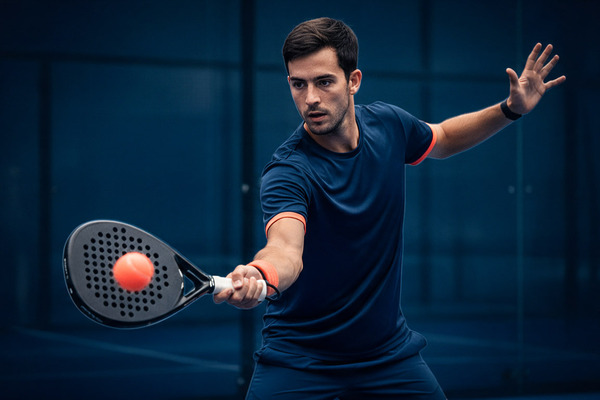
Haluatko parantaa forehand-lyöntisi hallintaa?
Padelissa on alkuvaiheessa paljon tärkeämpää oppia lyömään forehandia hallitusti kuin oppia lyömään sitä kovaa. Hallittu forehand pitää pallon pelissä, luo mahdollisuuksia verkkoon tulevalle parillesi ja pakottaa vastustajat tekemään töitä jokaisen pisteen eteen. Voima ilman hallintaa johtaa vain omaan virheeseen, joten tämä lyönti kannattaa opetella kunnolla alusta alkaen.
Tässä oppaassa käydään läpi ote, asento, lyöntiliike ja jalkatyöskentely, jotka ovat puhtaan ja hallitun forehandin taustalla, sekä virheet, jotka hiljaa pilaavat monien aloittelijoiden lyöntien tasaisuuden.

Miksi hallinta on alkuvaiheessa tärkeämpää kuin voima
Padel-kentät ovat tenniskenttiä pienempiä ja suljettuja, ja pisteitä voitetaan enemmän pallon sijoittelulla, kärsivällisyydellä ja johdonmukaisuudella kuin raakavoimalla. Hallittu etukäsi, joka osuu luotettavasti syvälle kentälle, voittaa voimakkaan lyönnin, joka menee ohi puolet ajasta. Aloittelijat, jotka tavoittelevat voimaa hallinnan sijaan, päätyvät yleensä lyöntiin, joka näyttää vaikuttavalta harjoituksissa mutta romahtaa todellisessa paineessa.
Hallinta antaa myös aikaa. Hyvin sijoitettu, hallittu kämmenlyönti antaa verkolla olevalle parillesi mahdollisuuden ennakoida seuraavaa lyöntiä ja reagoida siihen, sen sijaan että hänen pitäisi ryntäillä pallon perään, koska se lensi jonnekin arvaamattomaan paikkaan.
Ote ja valmiusasento hallittuun etukäteen
Useimmat padel-valmentajat suosittelevat kontinentaalista otetta perustaksi, koska se toimii kohtuullisen hyvin sekä etu- että takakäden lyönneissä sekä volleyissa ilman, että otetta tarvitsee vaihtaa lyönnin keskivaiheilla. Pidä mailaa ikään kuin kättelisit sitä – älä purista liian tiukasti, sillä jännitys otteessa näkyy suoraan jäykänä ja huonommin hallittuna lyönninä.
Ennen kuin pallo saapuu, pysy rennossa valmiusasennossa: polvet hieman koukussa, paino jalkapohjilla, maila ojennettuna edessäsi suunnilleen vyötärön korkeudella. Tämä asento antaa sinulle mahdollisuuden liikkua nopeasti mihin tahansa suuntaan sen sijaan, että reagoisit liian myöhään.

Vaihe vaiheelta: kuinka lyödä hallittu etukäsi
Lyönnin jakaminen kolmeen keskeiseen vaiheeseen helpottaa huomattavasti hyvien tapojen omaksumista jo ensimmäisestä päivästä lähtien.
Takaisku
Pidä takaisku lyhyenä ja kompaktina – tämä ei ole tennistä, ja suuri liike aiheuttaa ajoitusongelmia padelin pienemmässä tilassa. Käännä hartioita ja lantiota hieman pallon lähestyessä ja vie maila takaisin suunnilleen lantion korkeudelle sen sijaan, että nostaisit sen olkapään yläpuolelle.
Iskukohta
Kokeile ilmaisella padel-visallamme — nopeat kysymykset, tulos heti.
Pyri lyömään palloa kehosi edessä, mukavalla korkeudella noin vyötärön tasolla, sen sijaan että antaisit sen pudota liian alas tai kurottaisit sen taaksesi. Pallon seuraaminen koko matkan kosketuspisteeseen asti – sen sijaan että katsoisit ylös liian aikaisin nähdäksesi, minne se menee – on yksi yksinkertaisimmista keinoista epätasaisen forehandin korjaamiseen.
Seuraava liike
Anna mailan liikkua luonnollisesti kohti kohdetta osumisen jälkeen ja päätyä vastakkaisen olkapään korkeudelle. Hallittu, täydellinen seuranta parantaa tarkkuutta enemmän kuin pallon lyöminen voimalla – lyönnin katkaiseminen liian aikaisin johtaa usein epätarkkoihin ja epäonnistuneisiin lyönteihin.
Jalkatyö hallitun etukäden lyönnin saavuttamiseksi
Hyvä jalkatyöskentely tekee hallitusta etukädestä toistettavan lyönnin, ei pelkkää onnea. Ota pieniä säätöaskelia pallon lähestyessä sen sijaan, että tekisit yhden ison loikan, ja yritä kääntää vartalosi sivuttain palloon nähden niin, että ei-dominantti olkapääsi osoittaa suunnilleen kohti kohdetta ennen lyöntiä.
Palautuminen tasapainoiseen valmiusasentoon heti lyönnin jälkeen on yhtä tärkeää kuin itse lyönti – epätasapainossa lyöty forehand osuu harvoin sinne, minne aiot, riippumatta siitä, kuinka siistiltä tekniikka näyttää erikseen tarkasteltuna.
| Elementti | Mitä tehdä | Yleinen virhe |
|---|---|---|
| Ote | Rento kontinentaalinen ote | Liian tiukka ote, joka aiheuttaa jäykän svingin |
| Takaswing | Lyhyt, kompakti, noin lantion korkeudella | Suuri tennistyylinen liike |
| Iskukohta | Edessä, noin vyötärön korkeudella | Pallon pudottaminen liian alas tai sen jäämisen taakse |
| Seuranta | Täysi, luonnollinen liike kohti kohdetta | Swingin pysäyttäminen liian aikaisin kosketuksen jälkeen |
| Jalkatyö | Pienet säätöaskeleet, sivuttainen asento | Yksi iso askel varhaisen asennon sijaan |
Yleisiä virheitä, jotka heikentävät hallintaa
Liian kova ja liian aikainen lyönti
Aloittelijat yrittävät usein jäljitellä kokeneiden pelaajien voimakkaita etukäsi-lyöntejä ennen kuin he ovat kehittäneet riittävää tasaisuutta tuon voiman tukemiseksi. Vauhdin lisääminen ennen kuin perusasiat ovat vakiintuneet tarkoittaa yleensä vain sitä, että enemmän lyöntejä menee liian pitkälle tai liian leveäksi.
Asennon kiirehtiminen
Jos et pääse asentoon tarpeeksi aikaisin, se pakottaa sinut kiireiseen, epätasapainoiseen lyöntiin riippumatta siitä, kuinka hyvä tekniikkasi on teoriassa. Reagoimalla palloon mahdollisimman aikaisin, vaikka pienillä askelilla, saat paljon paremman hallinnan lyönnistä.
Kohteen katsominen pallon sijaan
Liian aikainen katseen nostaminen pallon lentoradan seuraamiseksi, ennen kuin kosketus todella tapahtuu, on yksi yleisimmistä syistä forehand-lyönnin epäonnistumiseen. Pidä keskittymisesi pallossa itsessään kosketushetkeen asti.
Jännittyminen paineen alla
Jännittävän pallovaihdon aikana on luonnollista puristaa mailaa tiukemmin ja lyödä jäykemmin, mutta tämä yleensä heikentää hallintaa sen sijaan, että parantaisi sitä. Rento asenne ja luottamus samaan rentoon lyöntiin, jota käytät harjoituksissa, tuottavat yleensä paljon luotettavampia tuloksia.
Lyömättömän käden huomiotta jättäminen
Monet aloittelijat antavat lyömättömän kätensä roikkua löysästi tai laskea liian aikaisin, mikä häiritsee tasapainoa ja kiertoa. Pitämällä käden ylhäällä ja suunnattuna suunnilleen pallon suuntaan valmistautuessasi ohjaat olkapään käännöstä ja pidät kehosi vakaampana lyönnin aikana.
Harjoituksia hallitun kämmenlyönnin kehittämiseen
Toistoharjoitukset seinää tai palautinta vasten
Lyömällä forehandeja seinää tai rebounderia vasten kohtuullisella vauhdilla voit keskittyä puhtaasti otteeseen, osumapisteeseen ja seurannaan ilman, että sinun tarvitsee huolehtia elävästä vastustajasta. Tavoittele pikemminkin tasalaatuista osuma-aluetta kuin voimaa, ja lisää vauhtia vasta, kun pystyt osumaan samaan kohteeseen toistuvasti.
Ristikkäislyöntiharjoitus
Ilmainen turnauskaavion luoja — Americano, Mexicano ja muut. Valmis minuuteissa.
Rallin pelaaminen poikittain kentän yli parin kanssa hallitulla vauhdilla kehittää sekä tasaisuutta että jalkatyöskentelyä, jota tarvitaan toistuvasti oikeaan asentoon pääsemiseksi. Keskity pitämään pallo syvällä ja kentän keskellä sen sijaan, että yrittäisit lyödä voittolyöntejä tämän harjoituksen aikana.
Hidastetut varjoheilautukset
Koko liikkeen – takaiskun, osuman ja seurannan – harjoittelu ilman palloa hidastettuna auttaa rakentamaan lihasmuistia, jota padelissa tarvitaan kompaktin lyönnin suorittamiseen. Se kuulostaa yksinkertaiselta, mutta se on yksi nopeimmista tavoista korjata lyönti, johon on kehittynyt huonoja tapoja.
Milloin lisätä voimaa, kun hallinta on vakaalla pohjalla
Kun pystyt lyömään hallittuja etukäsi-lyöntejä johdonmukaisesti syvälle kentälle pallonvaihdon aikana, on järkevää lisätä vähitellen mailan nopeutta – mutta säilytä sama kompakti lyönti ja puhdas osumapiste sen sijaan, että muuttaisit tekniikkaasi kokonaan. Voima tulisi hyvästä ajoituksesta ja rennosta, täydellisestä lyönnistä, ei jännittymisestä ja pallon lyömisestä lihasvoimalla.
Kuinka kauan kestää hallitun etukäden lyönnin oppiminen?
Useimmat aloittelijat huomaavat huomattavan parannuksen tasaisuudessa muutaman viikon kohdennetun harjoittelun jälkeen, vaikka se riippuu suuresti siitä, kuinka usein pelaat ja kuinka suuri osa ajasta kuluu tarkoituksellisiin harjoituksiin pelkkien rentojen pallorallien sijaan. Otteesta ja valmiusasennosta tulee yleensä ensin tuntumaa, jota seuraa kompakti lyönti, kun taas jalkatyöskentelyn tuntuminen automaattiselta kestää usein pisimpään.
Kärsivällisyys on tässä tärkeää – hallittu etukäsi on toistojen kautta muodostuva tapa, ei yksittäinen oppitunti, jonka oppii kerran eikä enää koskaan palaa siihen. Jopa kokeneet pelaajat palaavat yhä uudelleen samoihin perusasioihin, kuten otteeseen, osumapisteeseen ja seurannaan, aina kun heidän tasaisuutensa alkaa heikentyä.

Hallitun forehandin pika-tarkistuslista
- Käytä rentoa kontinentaalista otetta – vältä puristamasta mailaa liian tiukasti.
- Pidä takaisku lyhyenä ja kompaktina, suunnilleen lantion korkeudella.
- Tee osuma kehon edessä, noin vyötärön korkeudella.
- Tee liike loppuun asti kohti kohdetta sen sijaan, että pysähtyisit kesken.
- Käytä pieniä säätöaskelia saadaksesi sivuttaisasennon ja tasapainon ennen lyöntiä.
- Seuraa palloa kosketuksen läpi sen sijaan, että katsoisit ylös liian aikaisin.
- Lisää voimaa vasta, kun sama hallittu lyönti on vakiintunut.
Hallittu kämmenlyönti ei ole kentän näyttävin lyönti, mutta se pitää sinut pelissä tarpeeksi kauan, jotta voit todella voittaa pisteet. Hallitse ensin ote, kompakti lyönti ja jalkatyö – voima tulee luonnostaan, kun perusasiat ovat kunnossa.